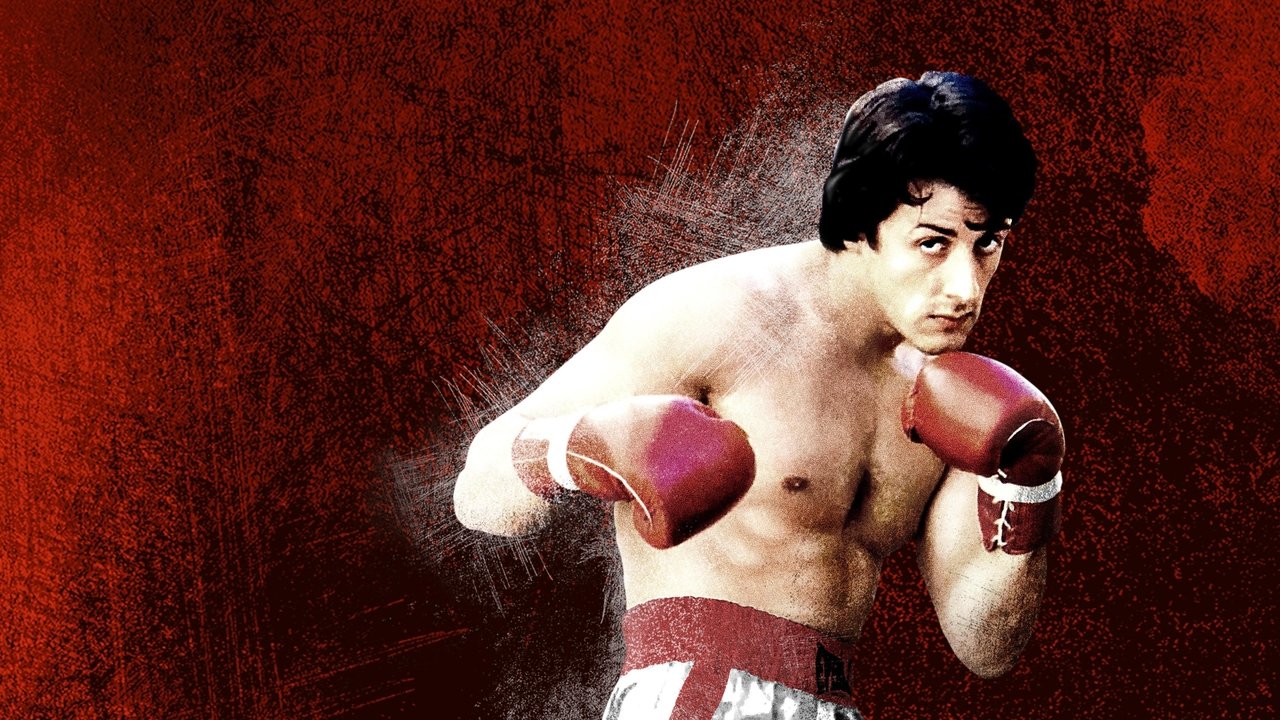
Sports Movies collects 35 films released between 1976 and 2025, running in release order from Rocky to The Smashing Machine. They cover boxing, baseball, basketball, American football, hockey, track, tennis, figure skating, motor racing and mixed martial arts, and more than half are based on real athletes, teams or deals. Most turn on an underdog, the coach or family behind them, and the cost of chasing one win.
- Recapped
- 35
- Watch time saved
- 73 hours
- Latest
- 2025

No. 01 · 1976 · Film
Rocky recap
In 1975 Philadelphia, Rocky Balboa is a 30-year-old club fighter who works as an enforcer for a loan shark. He has a crush on Adrian, the shy sister of his friend Paulie, who works in a pet shop, and he slowly wins her over. The heavyweight champion Apollo Creed loses his opponent for a bicentennial title fight and decides to give an unknown local a shot as a publicity stunt, and he picks Rocky, "the Italian Stallion", from a list. Mickey, the old trainer who runs Rocky's gym and has always written him off, offers to train him, and after an angry argument Rocky accepts. Rocky trains in the cold, punching sides of beef in Paulie's meat-packing plant and running through the city to the steps of the Philadelphia Museum of Art. The night before the fight, he tells Adrian that he cannot win, but that if he goes the distance, he will know he is not just another bum.
How Rocky ends
Rocky loses the fight on a split decision, but goes the full fifteen rounds, and all he cares about is Adrian. He knocks Apollo down in the first round, which no one expected, and both men are battered. When the bell ends the fight, Apollo tells Rocky there will be no rematch, and Rocky says he does not want one. As the decision is read, Rocky shouts for Adrian, who pushes through the crowd, and they embrace.
Post-credits scenes
No. There is no post-credits scene.
No. 02 · 1980 · Film
Raging Bull recap
Raging Bull (1980) follows Jake LaMotta, a Bronx middleweight boxer whose jealousy and temper wreck his marriage, his brother and his career. Martin Scorsese directs the boxing drama in black and white, adapting the real LaMotta's 1970 memoir with Robert De Niro in the lead. In 1941 Jake loses a disputed decision, and his brother and manager Joey LaMotta (Joe Pesci) pushes him to accept help from the local mob, which Jake refuses. Still married, he pursues Vickie (Cathy Moriarty), a 15-year-old he spots at the neighbourhood pool, and later makes her his wife. Jake beats Sugar Ray Robinson in 1943, loses the rematch, and grows convinced that Vickie wants other men, savaging an opponent she once called good-looking. To earn a title shot from mob boss Tommy Como, he throws a fight against Billy Fox, is suspended, then takes the middleweight crown from Marcel Cerdan in 1949. In release order the film comes after Rocky and before Chariots of Fire.
How Raging Bull ends
Raging Bull ends with an older, heavier Jake in a 1964 dressing room, rehearsing a stand-up act in the mirror. Before that, his paranoia drives him to beat Joey and knock Vickie out, he loses his title to Robinson in 1951, and Vickie leaves him in Miami with the children. Jailed for letting underage girls into his nightclub, he punches the walls of his cell. Back in New York he hugs Joey, who barely hugs back. The last scene has him reciting the "I coulda been a contender" speech from On the Waterfront, followed by a Bible verse and a dedication to Scorsese's teacher Haig Manoogian.
Post-credits scenes
No. Raging Bull has no mid- or post-credits scene.
No. 03 · 1981 · Film
Chariots of Fire recap
Chariots of Fire (1981) follows two British sprinters, Harold Abrahams and Eric Liddell, on their separate roads to the 1924 Paris Olympics. Hugh Hudson directs the track and field drama from a script by Colin Welland, and the story opens at Abrahams' 1978 memorial service before flashing back. Harold Abrahams (Ben Cross), a Jewish student at Cambridge, runs to beat the antisemitism and class snobbery he meets there, and hires the professional coach Sam Mussabini (Ian Holm), which the college masters call ungentlemanly. Eric Liddell (Ian Charleson), a Scottish missionary's son, runs because he feels God's pleasure in it, while his sister Jennie wants him back at the China mission. Liddell beats Abrahams in their first race. Both make the Olympic team, but on the boat to France Liddell learns the 100-metre heats fall on a Sunday and refuses to run, even under pressure from the Prince of Wales. The third film here by release date, it sits between Raging Bull and Hoosiers.
How Chariots of Fire ends
Chariots of Fire ends with both men winning gold. Lord Andrew Lindsay gives up his place in the 400 metres so Liddell can run on a weekday, and Liddell wins it after preaching in a Paris church on the Sunday. Abrahams loses the 200 metres to the Americans, then wins the 100, while Mussabini, barred from the stadium, celebrates alone in his hotel room. The team returns home, and closing text says Abrahams married Sybil Gordon and Liddell died as a missionary in occupied China. The film returns to the 1978 funeral as the congregation sings "Jerusalem".
Post-credits scenes
No. Chariots of Fire has no mid- or post-credits scene.

No. 04 · 1986 · Film
Hoosiers recap
Hoosiers (1986) follows Norman Dale, a coach with a hidden past, who takes over the basketball team at a tiny Indiana high school in 1951. David Anspaugh directs this basketball drama, loosely based on Milan High School's 1954 state title. Norman Dale (Gene Hackman) arrives in Hickory, hired by his old friend Principal Cletus Summers, and finds a town that lives for the sport but has lost its best player, Jimmy Chitwood, who quit after the old coach died. Teacher Myra Fleener (Barbara Hershey) wants Jimmy left alone to study. With only a handful of players, Norman drills fundamentals and insists on four passes before any shot, and his temper gets him ejected from games. He hires the town drunk, Wilbur "Shooter" Flatch (Dennis Hopper), as his assistant on condition he stays sober. The town votes to fire Norman, until Jimmy walks in and says he will play only if the coach stays. Hoosiers follows Chariots of Fire in release order and precedes Bull Durham.
How Hoosiers ends
Hoosiers ends with Hickory winning the state championship in Indianapolis on Jimmy's last-second shot against the much bigger South Bend Central. Before that, Norman gets himself ejected on purpose so Shooter can call a winning play, earning the respect of his son Everett, though Shooter later relapses. In the final timeout Norman draws up a decoy play, and Jimmy tells him, "I'll make it." The closing scene shows a boy shooting baskets in the empty Hickory gym beneath the team's championship photo, with Norman's voice saying, "I love you guys."
Post-credits scenes
No. Hoosiers has no mid- or post-credits scene.
No. 05 · 1988 · Film
Bull Durham recap
Bull Durham (1988) follows Crash Davis, a veteran minor-league catcher sent to the Durham Bulls to tutor a wild young pitcher bound for the majors. Ron Shelton writes and directs the baseball comedy, drawing on his own years in the minor leagues. Crash Davis (Kevin Costner), twelve years in the minors with only 21 days in the big leagues, is assigned to Ebby Calvin LaLoosh (Tim Robbins), a pitcher with a huge fastball and no control. Annie Savoy (Susan Sarandon), who worships at what she calls the Church of Baseball, picks one Bulls player each season as her lover and student. Crash walks away from her offer, so she takes up with Ebby, nicknames him "Nuke", reads him poetry and has him wear garters while he pitches. Crash teaches Nuke to stop thinking and trust the catcher's calls, at one point telling a batter what pitch is coming. As Nuke improves, Annie and Crash are drawn to each other. In this list Bull Durham comes after Hoosiers and before Field of Dreams.
How Bull Durham ends
Bull Durham ends with Crash returning to Annie's porch after his playing days are over. Nuke is called up to the majors, Annie ends things with him, and the Bulls release Crash, who spends a weekend with Annie before signing with the Asheville Tourists. There he breaks the minor-league career home-run record. Nuke turns up on television reciting the cliches Crash taught him. Crash comes back to Durham, Annie says she is done with her yearly ballplayers, and he mentions a possible managing job in Visalia before they dance in her candlelit living room.
Post-credits scenes
No. Bull Durham has no mid- or post-credits scene.

No. 06 · 1989 · Film
Field of Dreams recap
Field of Dreams (1989) follows Ray Kinsella, an Iowa corn farmer who hears a voice telling him to build a baseball field, and ghostly players arrive. Phil Alden Robinson writes and directs the baseball fantasy, adapted from W. P. Kinsella's 1982 novel Shoeless Joe. Ray Kinsella (Kevin Costner) plows under part of his crop after hearing "If you build it, he will come," and his wife Annie Kinsella (Amy Madigan) backs him despite the money. "Shoeless" Joe Jackson (Ray Liotta) appears on the field, followed by the other banned Chicago Black Sox players. The voice sends Ray to Boston to find the reclusive 1960s author Terence Mann (James Earl Jones), then to Minnesota to look for Archie "Moonlight" Graham, who played one major-league game in 1922 without batting. An elderly Doc Graham (Burt Lancaster) declines, but a young Archie hitchhikes back with them. Ray admits he never made peace with his late father John. Field of Dreams follows Bull Durham by a year and comes before Major League.
How Field of Dreams ends
Field of Dreams ends with Ray playing catch with his father as a line of cars heads toward the farm. Annie's brother Mark demands they sell, and in the scuffle Ray's daughter Karin chokes; Archie steps off the field, becomes old Doc Graham and saves her, then walks into the corn. Mark can finally see the players. Terence Mann is invited into the corn, and Joe points Ray to the catcher, a young John Kinsella. The novel has J. D. Salinger in the role the film gives to the invented Mann.
Post-credits scenes
No. Field of Dreams has no mid- or post-credits scene.

No. 07 · 1989 · Film
Major League recap
Major League (1989) follows the Cleveland Indians after their new owner fills the roster with has-beens so the team will fail and she can move it. David S. Ward writes and directs the baseball comedy. Former showgirl Rachel Phelps (Margaret Whitton) inherits the team and wants attendance to drop low enough to break the stadium lease and move to Miami. She hires minor-league manager Lou Brown (James Gammon) and a set of players she expects to flop: catcher Jake Taylor (Tom Berenger) with bad knees, vain third baseman Roger Dorn (Corbin Bernsen), Pedro Cerrano (Dennis Haysbert), who cannot hit a curveball, the speedy Willie Mays Hayes (Wesley Snipes), and Ricky Vaughn (Charlie Sheen), an ex-con with a 100-mph fastball and no control. Glasses turn Vaughn into "Wild Thing", and the team starts winning even as Phelps swaps their plane for a bus. Jake tries to win back his ex-girlfriend Lynn Wells (Rene Russo). Major League shares 1989 with Field of Dreams and precedes White Men Can't Jump.
How Major League ends
Major League ends with Cleveland beating the Yankees 3 to 2 in a one-game playoff for the division. Once Brown tells the players Phelps's plan, they win 32 of their last 44 games to tie for first. Vaughn comes in to strike out Clu Haywood in the ninth, and Jake bunts so Hayes can score from second. Dorn punches Vaughn for sleeping with his wife, then celebrates with him, and Lynn shows Jake her ring finger is bare. An alternate ending, cut after test screenings, revealed Phelps was secretly trying to motivate the team. Two sequels followed in 1994 and 1998.
Post-credits scenes
No. Major League has no mid- or post-credits scene.

No. 08 · 1992 · Film
White Men Can't Jump recap
White Men Can't Jump (1992) pairs two Los Angeles streetball hustlers, one white and one Black, who team up to con players on Venice Beach courts. Ron Shelton writes and directs the basketball comedy. Billy Hoyle (Woody Harrelson), a former college player, wins money from players who assume he cannot play, and one of his marks is the cocky Sidney Deane (Wesley Snipes). Billy and his girlfriend Gloria Clemente (Rosie Perez) are hiding from mobsters he owes money, while Gloria studies trivia in hopes of getting on Jeopardy! Sidney proposes a partnership: other players will pick Billy as the weak teammate, and the two will clean up. It works until Sidney throws a game to get even, taking Billy's money. The wives broker a deal, and the pair win a two-on-two tournament. Billy then bets his share that he can dunk, misses, and Gloria walks out. The film follows Major League in this list and comes just before A League of Their Own.
How White Men Can't Jump ends
White Men Can't Jump ends with Billy and Sidney back on the court where they met, arguing and starting a friendly one-on-one game. Sidney gets Gloria onto Jeopardy! after Billy sinks a half-court hook shot, and she wins over $14,000. When thieves rob Sidney, Billy gambles Gloria's money on a game against two streetball legends, The King and The Duck, and wins it with a dunk off Sidney's alley-oop. Gloria leaves him anyway. Billy pays off the mobsters and takes a job with Sidney. A remake was released in 2023.
Post-credits scenes
No. White Men Can't Jump has no mid- or post-credits scene.

No. 09 · 1992 · Film
A League of Their Own recap
A League of Their Own (1992) follows two sisters who join the Rockford Peaches in the new women's professional baseball league during World War II. Penny Marshall directs this baseball comedy-drama, a fictional account of the real All-American Girls Professional Baseball League. It opens in 1988 at the Hall of Fame exhibit, then goes back to 1943, when Chicago Cubs owner Walter Harvey (Garry Marshall) funds the league. Scout Ernie Capadino (Jon Lovitz) wants catcher Dottie Hinson (Geena Davis), but she only goes so that her younger sister Kit Keller (Lori Petty), a pitcher, can come too. The Peaches include Mae Mordabito (Madonna) and Doris Murphy (Rosie O'Donnell), and they are managed by Jimmy Dugan (Tom Hanks), a drunk former slugger who treats the job as a joke and yells "There's no crying in baseball!" Dottie becomes the face of the league after a catch made in a split ends up in Life magazine, and Kit, resentful, is traded to Racine. The film follows White Men Can't Jump and precedes Cool Runnings.
How A League of Their Own ends
A League of Their Own ends with the old Peaches reuniting at Cooperstown, singing their team song and posing for a photo. Dottie quits before the World Series when her husband Bob comes home wounded, but returns for the seventh game against Kit's Racine Belles. Kit runs through a stop sign and knocks the ball loose from Dottie at the plate to score the winning run. Whether Dottie drops it on purpose is left open. The sisters reconcile, the crowd saves the league, and in 1988 Dottie learns Jimmy has died. A television series of the same name followed in 2022.
Post-credits scenes
No. There is no scene after the credits, but they play over the former Peaches playing a game at Doubleday Field.
No. 10 · 1993 · Film
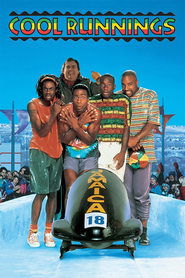
Cool Runnings recap
Jamaican sprinter Derice Bannock is tripped in the trials for the 1988 Summer Olympics and misses his chance. He learns that Irv Blitzer, a former American bobsled champion now living in Jamaica, once tried to recruit sprinters for bobsled, and decides to form Jamaica's first bobsled team for the Winter Olympics in Calgary. He recruits his friend Sanka, a pushcart champion, and the two runners from his failed race, Junior and Yul. Irv, disgraced and bitter, agrees to coach them. The team trains on the island with no snow, and Junior sells his car to pay for the trip. In Calgary, they freeze, borrow an old sled and get mocked by other teams, especially the East Germans. Olympic officials, including Irv's old coach, disqualify them; Irv admits he was banned for cheating and pleads for them, and they are reinstated.
How Cool Runnings ends
After two improving runs, the team is in contention, but on the final run the sled flips and crashes. The four men pick it up and carry it across the finish line, and the crowd, including the teams that mocked them, applauds. Irv watches them cross the line together. An epilogue says the team returned to the Olympics four years later and were treated as equals.
Post-credits scenes
No. There is no post-credits scene.

No. 11 · 1993 · Film
Rudy recap
Rudy (1993) follows Daniel "Rudy" Ruettiger, a Joliet steelworker's son, too small and too poor a student for Notre Dame, who wants to play football there. David Anspaugh directs this football biopic, written by Angelo Pizzo, the pair behind Hoosiers. Rudy Ruettiger (Sean Astin) works in the steel mill after high school until his best friend Pete dies in an explosion. In 1972 he goes to South Bend, enrols at nearby Holy Cross College with help from a priest, and sleeps in the stadium office thanks to groundskeeper Fortune (Charles S. Dutton). The tutor D-Bob (Jon Favreau) finds that Rudy has dyslexia. After several rejections he is admitted to Notre Dame and makes the practice squad as a walk-on, taking hits from the scholarship players every day. Coach Ara Parseghian promises he will suit up for one home game, then retires, and his successor Dan Devine refuses. In this list Rudy comes between Cool Runnings and The Sandlot.
How Rudy ends
Rudy ends with Rudy sacking the Georgia Tech quarterback on the final play of his last home game and being carried off the field. He quits after being left off the dress list, but Fortune, who once quit the team himself, talks him into returning. The seniors lay their jerseys on Devine's desk until he lets Rudy dress. With the crowd chanting his name, the offence scores so he can go in on the kickoff. Closing text says no Notre Dame player had been carried off since, and that Rudy graduated in 1976.
Post-credits scenes
No. Rudy has no mid- or post-credits scene.
No. 12 · 1993 · Film
The Sandlot recap
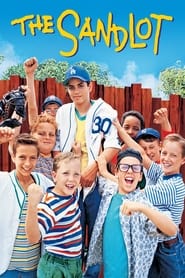
In the summer of 1962, Scotty Smalls moves to a new neighbourhood in Los Angeles with his mother and stepfather Bill. He does not know how to play baseball, but Benny Rodriguez, the best player on the local sandlot, invites him onto the team with Ham, Squints, Yeah-Yeah and the others. The kids spend the summer playing, going to the pool, where Squints fakes drowning to kiss the lifeguard Wendy Peffercorn, and getting sick on chewing tobacco at the fair. Beyond the outfield fence lives the Beast, a huge dog of legend that eats any ball that goes over. When the team loses its ball, Smalls takes one from Bill's den without realising it is signed by Babe Ruth, and hits it over the fence. The boys spend days trying to get it back from the Beast with ever more elaborate contraptions, and all fail.
How The Sandlot ends
Babe Ruth appears to Benny in a dream and tells him to go get the ball. Benny jumps the fence, the Beast chases him through town, and the fence falls on the dog when the boys climb back. They meet the owner, Mr. Mertle, a blind former ballplayer who knew Ruth, and he trades the chewed ball for one signed by the 1927 Yankees. The adult Smalls narrates what became of everyone, and Benny grows up to play for the Dodgers.
Post-credits scenes
No. There is no post-credits scene.
No. 13 · 1994 · Film
Hoop Dreams recap
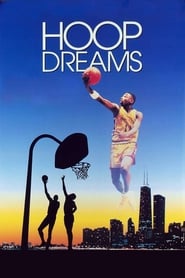
Hoop Dreams (1994) follows William Gates and Arthur Agee, two Black Chicago teenagers, through high school as they chase careers in professional basketball. Steve James directs the documentary, filmed over five years with some 250 hours of footage. In 1987 a scout recruits both boys to St. Joseph High School in suburban Westchester, where coach Gene Pingatore once coached Isiah Thomas, and both ride 90 minutes each way to get there. William, from the Cabrini-Green projects, starts on the varsity team as a freshman. Arthur, from West Garfield Park, struggles and is forced out after a year when his family cannot pay the tuition, moving to John Marshall High School. William needs knee surgery, and his older brother Curtis pins his own lost hopes on him. Arthur's mother Sheila loses her job and the family goes on welfare, while his father Bo leaves, battles drugs and returns. Among the sports films here, Hoop Dreams follows The Sandlot and precedes Jerry Maguire.
How Hoop Dreams ends
Hoop Dreams ends with William starting at Marquette University and Arthur at Mineral Area College in Missouri, both still hoping for the NBA. In their senior year, St. Joseph goes out early and William is benched for arriving late, while Arthur leads John Marshall on an unexpected run to third place in the state tournament. William struggles to reach the test score Marquette requires. Arthur's mother earns her nursing degree. The film was not nominated for the Academy Award for Best Documentary Feature, which drew a public outcry.
Post-credits scenes
No. Hoop Dreams has no mid- or post-credits scene.
No. 14 · 1996 · Film
Jerry Maguire recap
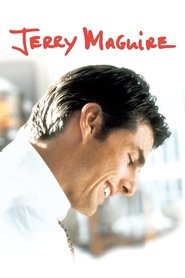
Jerry Maguire (1996) follows a slick sports agent who is fired after writing a memo urging his firm to take fewer clients and care more about them. Cameron Crowe writes and directs the football romance. Jerry Maguire (Tom Cruise) loses almost every client to his former protege Bob Sugar (Jay Mohr) in a race to the phones. Only accountant Dorothy Boyd (Renée Zellweger), a single mother, follows him out of the office, and only one athlete stays: Rod Tidwell (Cuba Gooding Jr.), an Arizona Cardinals receiver who wants more money and makes Jerry shout "Show me the money!" Top draft prospect Frank Cushman promises to stay with Jerry, then signs with Sugar on the eve of the draft. Jerry's fiancee Avery Bishop (Kelly Preston) dumps him, and he grows close to Dorothy and her son Ray. When she plans to move to San Diego for a steadier job, he asks her to marry him. Jerry Maguire follows Hoop Dreams in release order and comes before Space Jam.
How Jerry Maguire ends
Jerry Maguire ends with Rod landing an $11.2 million contract and Jerry back with Dorothy. Rod plays with heart, catches a winning touchdown on Monday Night Football and lies unconscious before getting up to dance for the crowd. Jerry and Rod embrace on camera. Realising what he has, Jerry flies home and makes a speech to Dorothy in front of her sister's divorced women's group, and she answers, "You had me at hello." The last scene has the three of them in a park, where Ray's strong throw of a baseball gets Jerry talking about his future.
Post-credits scenes
No. Jerry Maguire has no mid- or post-credits scene.
No. 15 · 1996 · Film
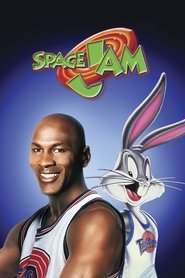
Space Jam recap
Michael Jordan retires from basketball to play baseball. In space, Mr. Swackhammer, the owner of a failing amusement park, sends his small alien henchmen, the Nerdlucks, to kidnap the Looney Tunes as new attractions. Bugs Bunny bargains for a chance to win their freedom in a basketball game, so the Nerdlucks steal the talent of five NBA players and become the giant Monstars. The Tunes pull Jordan down a golf hole into their world, and he agrees to lead their team, the Tune Squad, with Bugs, Daffy, the newcomer Lola Bunny and others. His assistant Stan follows him down. Meanwhile, the NBA players who lost their skills cannot play. The Monstars crush the Tunes in the first half, until Bugs hands out a bottle of secret stuff, really just water, and the Tunes fight back with cartoon tricks. Jordan bets his own freedom against the stolen talent.
How Space Jam ends
In the last seconds, Jordan stretches his arm across the court, cartoon style, to dunk the winning basket. The Monstars, freed from Swackhammer, send him to the moon, give back the talent and shrink back to the Nerdlucks, who stay with the Tunes. Jordan and Stan return to Earth, where Jordan gives the talent back to the NBA players, and he decides to return to basketball himself.
Post-credits scenes
No. There is no post-credits scene beyond the Looney Tunes "That's all folks" sign-off at the end of the credits.
No. 16 · 2000 · Film
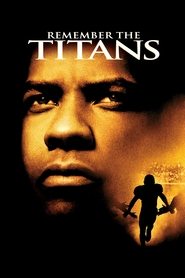
Remember the Titans recap
Remember the Titans (2000) follows Herman Boone, a Black coach put in charge of a newly integrated high school football team in Alexandria, Virginia, in 1971. Boaz Yakin directs the football drama, produced by Jerry Bruckheimer and loosely based on the real T. C. Williams High School team. Herman Boone (Denzel Washington) is named head coach over Bill Yoast (Will Patton), a successful white coach up for the state Hall of Fame. Yoast plans to leave, but stays as defensive coordinator so his white players do not boycott. At training camp at Gettysburg College, Black and white players fight, especially the captains Gerry Bertier (Ryan Hurst) and Julius Campbell (Wood Harris). Boone runs them at dawn to the Gettysburg battlefield cemetery and tells them to learn from the dead. A school board member warns Boone that one loss will cost him his job, and the team wins every game while the town slowly comes around. Remember the Titans follows Space Jam and comes before Ali.
How Remember the Titans ends
Remember the Titans ends with Gerry's funeral in 1981, which the film opened with, and Julius leading the old team in song. Before the semi-final, Yoast learns the officials have been told to make the Titans lose and threatens to go to the press, costing himself the Hall of Fame. Gerry is paralysed in a car crash, but the Titans come back to win the state title on the final play. Gerry later wins Paralympic gold and is killed by a drunk driver. Closing text says Boone coached five more seasons with Yoast beside him for most of them, and the school gym was named after Gerry.
Post-credits scenes
No. Remember the Titans has no mid- or post-credits scene.
No. 17 · 2001 · Film
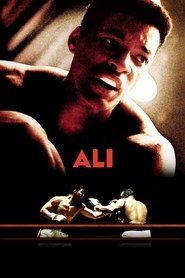
Ali recap
Ali (2001) covers ten years in the life of Muhammad Ali, from taking the heavyweight title in 1964 to winning it back in Zaire in 1974. Michael Mann directs and co-writes this boxing biopic. Cassius Clay Jr. (Will Smith) taunts Sonny Liston before their title fight, survives a round half-blinded by something on Liston's gloves, and wins when Liston quits. He grows close to Malcolm X (Mario Van Peebles), joins the Nation of Islam and takes the name Muhammad Ali, then cuts Malcolm off at Elijah Muhammad's wish. He marries Sonji Roi (Jada Pinkett Smith), but they divorce over the demands his faith places on her. Ali refuses the Vietnam draft and is stripped of his title and licence; during three years out of the ring he marries Belinda Boyd (Nona Gaye) and is cleared by the Supreme Court. He loses the "Fight of the Century" to Joe Frazier. Jon Voight plays the broadcaster Howard Cosell. Ali follows Remember the Titans and precedes Miracle.
How Ali ends
Ali ends with Ali knocking out George Foreman in the eighth round of the Rumble in the Jungle in Kinshasa and regaining the heavyweight title. In Zaire he begins an affair with Veronica Porche, and Belinda flies in to confront him after reading about it. He leans on the ropes for round after round, letting the younger, stronger Foreman wear himself out, then puts him down. The film skips his later fights and life.
Post-credits scenes
No. Ali has no mid- or post-credits scene.
No. 18 · 2004 · Film
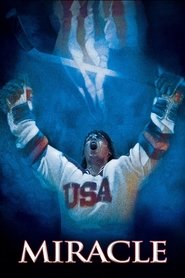
Miracle recap
Miracle (2004) tells how coach Herb Brooks built a team of American college hockey players to face the Soviet Union at the 1980 Winter Olympics. Gavin O'Connor directs the ice hockey drama, written by Eric Guggenheim. Herb Brooks (Kurt Russell), the University of Minnesota coach and the last player cut from the 1960 gold-medal team, wins the Olympic job by promising to change how Americans train and play. With his assistant Craig Patrick (Noah Emmerich), he picks a roster over the objections of hockey officials, and his wife Patty Brooks (Patricia Clarkson) watches the work take over his life. The players bring old college feuds, and a fight between Rob McClanahan and Jack O'Callahan starts camp. After a lazy tie with Norway, Brooks makes them skate sprints until captain Mike Eruzione (Patrick O'Brien Demsey) says he plays for the United States. The Soviets crush them 10 to 3 in an exhibition at Madison Square Garden. Miracle comes after Ali and before Friday Night Lights in this list.
How Miracle ends
Miracle ends with the United States beating the Soviet Union 4 to 3 in Lake Placid. At the Games, the team ties Sweden late, beats Czechoslovakia and reaches the medal round. Against the Soviets, O'Callahan returns from his knee injury, Mark Johnson ties the game twice, and Eruzione scores the winning goal with ten minutes left as goalie Jim Craig holds on. The broadcast call "Do you believe in miracles?" plays over the final seconds. The team beats Finland two days later for gold, and the film is dedicated to Brooks, who died in 2003 before its release.
Post-credits scenes
No. Miracle has no mid- or post-credits scene.

No. 19 · 2004 · Film
Friday Night Lights recap
Friday Night Lights (2004) follows the 1988 Permian High School Panthers of Odessa, Texas, a football team carrying the hopes of an entire town. Peter Berg directs the football drama, adapted from H. G. Bissinger's 1990 nonfiction book. Coach Gary Gaines (Billy Bob Thornton) is expected to win a state title with star running back James "Boobie" Miles (Derek Luke), who brags about his college offers. Quarterback Mike Winchell (Lucas Black) cares for his ill mother, and fullback Don Billingsley (Garrett Hedlund) fumbles under the abuse of his drunk father Charles Billingsley (Tim McGraw), a former Permian champion. In the opening game Boobie tears a knee ligament in a play he should not have been in, and the town turns on Gaines, leaving for-sale signs on his lawn. Boobie hides how bad the injury is and tries to play again, but goes down within minutes, and Permian loses to Midland Lee. Friday Night Lights follows Miracle in release order and precedes Million Dollar Baby.
How Friday Night Lights ends
Friday Night Lights ends with Permian losing the state final to Dallas Carter when Winchell is stopped just short of the goal line on the last play. A coin toss had put the Panthers into the playoffs. At the Astrodome they come back from 20 points down, and Don reconciles with his father afterward. Gaines wipes the seniors' names off his board, and closing text says Permian won the state title the next year. An NBC television series of the same name, with new characters, premiered in 2006.
Post-credits scenes
No. Friday Night Lights has no mid- or post-credits scene.
No. 20 · 2004 · Film
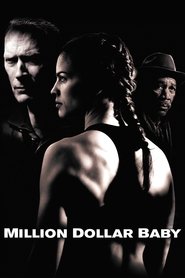
Million Dollar Baby recap
Million Dollar Baby (2004) follows Maggie Fitzgerald, a waitress from the Ozarks who talks a gruff Los Angeles trainer into making her a boxer. Clint Eastwood directs, produces, scores and stars in the boxing drama, written by Paul Haggis from F.X. Toole's short stories. Maggie Fitzgerald (Hilary Swank) keeps showing up at the Hit Pit gym run by Frankie Dunn (Clint Eastwood), who refuses to train a woman and says she is too old. His friend Eddie "Scrap-Iron" Dupris (Morgan Freeman), a former fighter who runs the gym and narrates, lets her train anyway. When Frankie's top prospect leaves for another manager, he takes Maggie on. She wins fight after fight with first-round knockouts, tours Europe, and buys her mother a house, only to be told it will cost the family its welfare. Frankie, estranged from his daughter, embroiders the Gaelic words "Mo Cuishle" on Maggie's robe without saying what they mean. In this list it follows Friday Night Lights and comes before Cinderella Man.
How Million Dollar Baby ends
Million Dollar Baby ends with Frankie ending Maggie's life at her request and disappearing. In a million-dollar title fight in Las Vegas, champion Billie "The Blue Bear" Osterman punches her after the bell, and Maggie breaks her neck on the stool. Paralysed, she loses a leg, sends away her greedy family and begs Frankie to let her die. He disconnects her ventilator and injects her with adrenaline after telling her that "Mo Cuishle" means "my darling, my blood." Scrap's narration turns out to be a letter to Frankie's daughter, and a last shot suggests Frankie may be at the diner where Maggie took him for lemon pie.
Post-credits scenes
No. Million Dollar Baby has no mid- or post-credits scene.
No. 21 · 2005 · Film
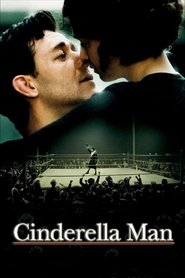
Cinderella Man recap
Cinderella Man (2005) tells the true story of James J. Braddock, a washed-up boxer working the New Jersey docks during the Depression who gets one more fight. Ron Howard directs this boxing biopic, reuniting with Russell Crowe after A Beautiful Mind. James J. Braddock (Russell Crowe), once a light heavyweight contender, breaks his hand, loses his licence and takes whatever dock work he can find to feed his wife Mae Braddock (Renée Zellweger) and their three children. When the power is cut and the family is split up, he goes on relief and begs for money from the boxing officials who once paid him. His manager Joe Gould (Paul Giamatti) gets him a one-night fill-in against the second-ranked contender Corn Griffin, and Braddock knocks him out in the third round. Mae opposes his return, but he keeps winning, pays back his relief money, and becomes a hero to struggling Americans. Cinderella Man follows Million Dollar Baby and comes before Invincible.
How Cinderella Man ends
Cinderella Man ends with Braddock beating Max Baer (Craig Bierko) on points in 1935 to become heavyweight champion. Before the fight the promoter makes him watch film of Baer, who has killed two men in the ring, and Baer taunts Mae in public. Mae cannot watch and listens on the radio at home with the children. Closing text says Braddock later lost the title to Joe Louis and worked on the docks and on the Verrazzano Bridge. Baer's family and some boxing historians objected to the film's picture of Baer as a brute.
Post-credits scenes
No. Cinderella Man has no mid- or post-credits scene.
No. 22 · 2006 · Film
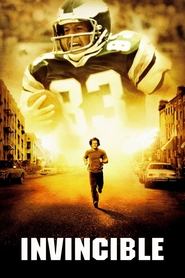
Invincible recap
Invincible (2006) follows Vince Papale, a 30-year-old Philadelphia bartender and substitute teacher who makes the Eagles through an open tryout in 1976. Ericson Core directs the football drama, based on Papale's real story. Vince Papale (Mark Wahlberg) loses his teaching job, and his wife Sharon walks out, leaving a note saying he will never amount to anything. New head coach Dick Vermeil (Greg Kinnear) holds a public tryout to drum up interest in the losing team, and Vince, egged on by his friends at the bar, is the only walk-on invited to camp. The veterans resent him, and the coaches doubt him, but Vermeil gives him the last roster spot. Meanwhile Vince starts dating Janet Cantrell (Elizabeth Banks), the new bartender and a New York Giants fan. The Eagles lose every preseason game, and Vince plays badly in the opener at Dallas. Invincible comes after Cinderella Man and before The Blind Side in this list.
How Invincible ends
Invincible ends with Vince scoring a touchdown on a recovered fumble to seal a home win over the Giants. Before the game he tears up Sharon's note. He makes a tackle on the opening kickoff, and late in the game he races down on a punt, forces the returner to fumble and carries it into the end zone. Closing text says he played three seasons with the Eagles and married Janet, and that Vermeil took the team to Super Bowl XV.
Post-credits scenes
No. Invincible has no post-credits scene, though highlights of the real Papale's Eagles career run during the end credits.
No. 23 · 2009 · Film
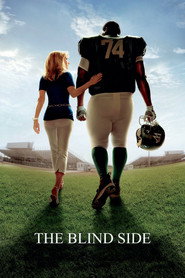
The Blind Side recap
The Blind Side (2009) follows Michael Oher, a homeless Memphis teenager taken in by a wealthy family, on his way to becoming a top college football recruit. John Lee Hancock writes and directs the football drama, adapted from Michael Lewis's 2006 book. Michael Oher (Quinton Aaron), who has drifted between foster homes, is admitted to a Christian private school because of his size. Leigh Anne Tuohy (Sandra Bullock) sees him walking in the cold on the night before Thanksgiving and lets him sleep at the family home, where her husband Sean Tuohy (Tim McGraw) and their son SJ (Jae Head) welcome him. Leigh Anne becomes his guardian, defends the arrangement to her friends, and learns he scored high in "protective instincts." She teaches him to see the quarterback as family he must protect, and he becomes a dominant left tackle. A tutor, Miss Sue (Kathy Bates), raises his grades to college standards. The Blind Side follows Invincible and precedes The Fighter.
How The Blind Side ends
The Blind Side ends with Michael leaving for the University of Mississippi, where the Tuohys went to school. An NCAA investigator asks whether the family took him in to steer him there, and Michael storms off, goes back to his old neighbourhood and fights a gang leader who threatens the Tuohys. He tells the investigator he chose the school because his family went there. Real photos close the film and say Oher was a 2009 first-round pick of the Baltimore Ravens. In 2023 Oher said the Tuohys had made him sign a conservatorship rather than adopting him.
Post-credits scenes
No. The Blind Side has no mid- or post-credits scene.
No. 24 · 2010 · Film
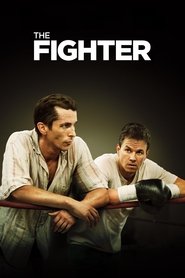
The Fighter recap
The Fighter (2010) follows Micky Ward, a Lowell, Massachusetts boxer whose career is run by his mother and his half-brother, a former fighter on crack. David O. Russell directs this boxing biopic. Micky Ward (Mark Wahlberg) is managed by his mother Alice Ward (Melissa Leo) and trained by Dicky Eklund (Christian Bale), whose peak was going the distance with Sugar Ray Leonard in 1978. Dicky thinks an HBO crew filming him is making a comeback documentary. After a mismatched fight against a much heavier opponent, Micky starts seeing the bartender Charlene Fleming (Amy Adams), who pushes him to break from his family. Dicky impersonates a police officer to rob men, the real police beat him and break Micky's hand, and Dicky goes to prison. The documentary airs as a film about crack addiction. Micky returns with a new manager and wins an upset against an unbeaten prospect, using Dicky's advice. Placed after The Blind Side, The Fighter comes before Moneyball.
How The Fighter ends
The Fighter ends with Micky winning the welterweight title against Shea Neary in London with Dicky back in his corner. Dicky comes home sober, but Micky has promised his team to keep him out, and the family and Charlene clash until Dicky turns away from his crack house and persuades Charlene that Micky needs both of them. At the fight he talks Micky through an early beating to a win. The real Micky and Dicky appear at the end, and Bale and Leo won Academy Awards for their roles.
Post-credits scenes
No. The Fighter has no mid- or post-credits scene.
No. 25 · 2011 · Film
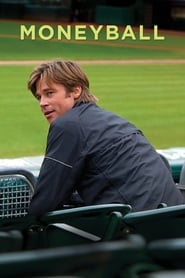
Moneyball recap
Moneyball (2011) follows Billy Beane, general manager of the cash-poor Oakland Athletics, as he builds a team in 2002 using statistics scouts ignore. Bennett Miller directs the baseball drama, written by Steven Zaillian and Aaron Sorkin from Michael Lewis's 2003 book. After losing to the Yankees in the 2001 playoffs, Billy Beane (Brad Pitt) watches Jason Giambi, Johnny Damon and Jason Isringhausen leave for richer teams. He meets Peter Brand (Jonah Hill), a young Yale economics graduate working for Cleveland, and hires him. Together they sign cheap, overlooked players who get on base, such as the injured catcher Scott Hatteberg (Chris Pratt), whom they move to first base. Beane fires his head scout for resisting, and manager Art Howe (Philip Seymour Hoffman) keeps playing his own lineup, so Beane trades away his preferred players. Flashbacks show Beane as a young prospect who gave up a Stanford scholarship for a failed playing career. Moneyball follows The Fighter and precedes Warrior.
How Moneyball ends
Moneyball ends with Beane turning down the Boston Red Sox's record offer and staying in Oakland. The A's win 20 games in a row, the last on a Hatteberg walk-off home run, and take their division, but lose in the first round to Minnesota. Brand shows him a video of a player who hits a home run without realising it, and Beane drives home listening to a recording of his daughter Casey singing. Closing text says the Red Sox won the 2004 World Series using his methods. Brand is a stand-in for the real Paul DePodesta.
Post-credits scenes
No. Moneyball has no mid- or post-credits scene.
No. 26 · 2011 · Film
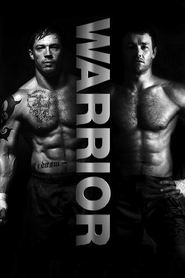
Warrior recap
Warrior (2011) follows two estranged brothers from Pittsburgh, a Marine and a schoolteacher, who both enter a winner-take-all mixed martial arts tournament. Gavin O'Connor directs the MMA drama. Tommy Riordan (Tom Hardy) turns up at the door of his father Paddy Conlon (Nick Nolte), a recovering alcoholic whose abuse drove Tommy and his mother away years earlier, and asks him to train him but refuses to forgive him. A video of Tommy knocking out a top middleweight in a sparring session spreads online, and he enters Sparta, a $5 million tournament in Atlantic City. His older brother Brendan Conlon (Joel Edgerton), a physics teacher and former UFC fighter, faces losing his house after his daughter's heart surgery and starts fighting in parking lots for cash, which gets him suspended. His old trainer Frank Campana (Frank Grillo) gets him into Sparta as a late replacement. A Marine reveals that Tommy tore open a sinking tank in Iraq to save him, and the press calls Tommy a hero. Warrior comes after Moneyball in 2011 and before Rush.
How Warrior ends
Warrior ends with Brendan forcing Tommy to tap out in the final, then the two brothers walking out of the cage together while Paddy watches. Tommy, who deserted his unit and plans to give the prize to a dead friend's widow, crushes his opponents, and Paddy relapses after Tommy rejects him. Brendan wins by submission against the unbeaten Russian Koba (Kurt Angle). In the final he dislocates Tommy's shoulder, and Tommy fights on until Brendan chokes him, telling him he loves him, and Tommy gives up. Military police have agreed to let Tommy finish the tournament before taking him in.
Post-credits scenes
No. Warrior has no mid- or post-credits scene.

No. 27 · 2013 · Film
Rush recap
Rush (2013) dramatises the 1976 Formula One season and the rivalry between the British playboy James Hunt and the cool, methodical Austrian Niki Lauda. Ron Howard directs the motor racing biopic from a script by Peter Morgan. James Hunt (Chris Hemsworth) and Niki Lauda (Daniel Brühl) first clash in a Formula Three race in 1970. Lauda borrows money to buy his way into Formula One, moves to Ferrari and wins the 1975 title, while Hunt's Hesketh team folds and he joins McLaren. Hunt marries the model Suzy Miller (Olivia Wilde), who later leaves him for Richard Burton, and Lauda marries Marlene Knaus (Alexandra Maria Lara), then worries that happiness has made him vulnerable. At the rain-soaked German Grand Prix, Lauda asks the drivers to cancel the race and Hunt helps vote him down. Lauda's Ferrari crashes and burns, and he is pulled out with severe burns to his head and lungs. Rush follows Warrior and precedes Creed in this list.
How Rush ends
Rush ends with Hunt winning the 1976 championship by one point and Lauda reflecting on him after his death. Six weeks after the crash, Lauda returns scarred to finish fourth at Monza. In the downpour at the Japanese Grand Prix, Lauda pulls into the pits after two laps, judging the risk too great, and Hunt finishes third. Later, at an airfield in Bologna, Lauda urges Hunt to defend his title, and Hunt says the life is the prize. In voiceover Lauda says Hunt died at 45 and calls him the only person he envied.
Post-credits scenes
No. Rush has no mid- or post-credits scene.
No. 28 · 2015 · Film
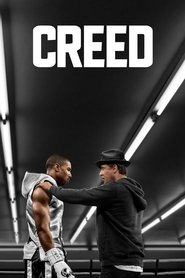
Creed recap
Adonis Johnson is the son of Apollo Creed, born from an affair after Apollo died. Mary Anne Creed, Apollo's widow, takes him in from juvenile hall and raises him in luxury, but Adonis quits his job to fight. He moves to Philadelphia and asks Rocky Balboa to train him. Rocky, who is retired and lonely, at first refuses, then agrees. Adonis falls for his downstairs neighbour Bianca, a singer with progressive hearing loss. After a win, Adonis's identity as Apollo's son is leaked, and the British world champion "Pretty" Ricky Conlan, who is about to go to prison, offers him a title fight on the condition that he fights as Creed. Rocky is diagnosed with cancer and refuses treatment until Adonis persuades him to fight it alongside him.
How Creed ends
Adonis loses to Conlan on a split decision in Liverpool, but goes the full twelve rounds and earns his father's name. He knocks Conlan down for the first time in his career, and the crowd turns to him. Conlan tells him he is the future of the division. Back in Philadelphia, Adonis helps the sick Rocky climb the art museum steps.
Post-credits scenes
No. There is no post-credits scene.

No. 29 · 2017 · Film
I, Tonya recap
I, Tonya (2017) tells the life of figure skater Tonya Harding, from her abusive Portland childhood to the 1994 attack on her rival Nancy Kerrigan. Craig Gillespie directs this figure skating black comedy, framed as mock interviews in which the characters contradict one another and talk to the camera. Tonya Harding (Margot Robbie) is pushed onto the ice at four by her cruel mother LaVona Golden (Allison Janney). She becomes one of the best skaters in the country but is marked down for her homemade costumes, rock music and working-class image. At 15 she starts dating Jeff Gillooly (Sebastian Stan), who later beats her. She becomes the first American woman to land a triple axel in competition, then finishes fourth at the 1992 Olympics and goes to work as a waitress. Coaxed back for 1994, she asks Jeff for help. Jeff and his deluded friend Shawn Eckardt (Paul Walter Hauser) plan death threats against Kerrigan, and Shawn's hired men club her knee. I, Tonya follows Creed and comes before Ford v Ferrari.
How I, Tonya ends
I, Tonya ends with Tonya banned from figure skating for life, then reborn as a professional boxer, taking punches in the ring. Shawn's bragging leads the FBI to him, Tonya tells investigators about Jeff, and he says she knew about the attack. LaVona visits wearing a wire. Tonya finishes eighth at the Lillehammer Olympics while Kerrigan takes silver, and she begs the judge for jail instead of the ban. Closing text tells what became of everyone and says Tonya wants people to know she is a good mother. Allison Janney won an Academy Award for the role.
Post-credits scenes
No. I, Tonya has no mid- or post-credits scene.
No. 30 · 2019 · Film
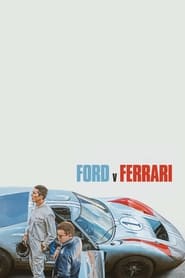
Ford v Ferrari recap
Ford v Ferrari (2019) follows car designer Carroll Shelby and driver Ken Miles as Ford hires them to beat Ferrari at the 1966 24 Hours of Le Mans. James Mangold directs the motor racing drama, released as Le Mans '66 in some countries. After Enzo Ferrari rejects a buyout and insults him, Henry Ford II (Tracy Letts) orders his company to beat Ferrari on the track, and Lee Iacocca (Jon Bernthal) hires Carroll Shelby (Matt Damon), a former Le Mans winner. Shelby brings in Ken Miles (Christian Bale), a brilliant, short-tempered British driver and mechanic with a wife, Mollie Miles (Caitríona Balfe), and a son who idolises him. Ford executive Leo Beebe (Josh Lucas) keeps Miles out of the 1965 race, and every Ford fails. Shelby takes Henry Ford for a terrifying ride in the GT40 and wins a deal: if Miles wins at Daytona, he races at Le Mans. Ford v Ferrari follows I, Tonya and precedes King Richard in release order.
How Ford v Ferrari ends
Ford v Ferrari ends with Shelby visiting Miles's widow and son months after Miles dies testing a new car. At Le Mans, Miles survives a faulty door and failing brakes and breaks lap records. With Fords in the top three, Beebe asks for a staged finish side by side, and Miles slows on the last lap to comply. Bruce McLaren is ruled the winner on a technicality, having started further back. Shelby gives Miles's son Peter the wrench Miles once threw at him. Closing text says Ford won Le Mans the next three years.
Post-credits scenes
No. Ford v Ferrari has no mid- or post-credits scene.
No. 31 · 2021 · Film
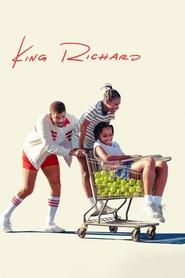
King Richard recap
King Richard (2021) follows Richard Williams as he coaches his daughters Venus and Serena on the public courts of Compton toward tennis careers. Reinaldo Marcus Green directs the tennis biopic, with Venus and Serena Williams among its executive producers. Richard Williams (Will Smith) works as a security guard and has had a plan for the girls since before they were born. With his wife Oracene "Brandy" Price (Aunjanue Ellis), he drills Venus (Saniyya Sidney) and Serena (Demi Singleton) daily and hands out brochures to find a coach. Paul Cohen (Tony Goldwyn) agrees to coach Venus for free, and she wins junior tournaments, but Richard pulls the girls from juniors to keep them grounded and fires Cohen. Rick Macci (Jon Bernthal) moves the family to Florida to train them, and Richard keeps them out of competition for years, wary of the burnout of Jennifer Capriati. Venus begs to turn pro. King Richard follows Ford v Ferrari and comes before Air.
How King Richard ends
King Richard ends with Venus losing her second professional match to top seed Arantxa Sánchez Vicario in Oakland, after leading, and walking out to a crowd of fans. Richard, after an argument with Brandy, lets Venus enter, and the family turns down a $3 million Nike deal before she plays. She wins her first match. Against Sánchez Vicario, she leads until a long bathroom break shifts the match. Closing text and real footage follow the sisters' later careers. Will Smith won the Academy Award for Best Actor for the role.
Post-credits scenes
No. King Richard has no mid- or post-credits scene.
No. 32 · 2023 · Film
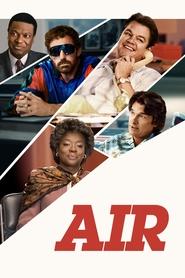
Air recap
Air (2023) follows Nike basketball scout Sonny Vaccaro as he bets the company's struggling basketball division on signing the rookie Michael Jordan in 1984. Ben Affleck directs and co-stars in the comedy-drama about basketball and business. Sonny Vaccaro (Matt Damon) is told by chief executive Phil Knight (Ben Affleck) and marketing head Rob Strasser (Jason Bateman) to find spokesmen with a small budget split among several players. Watching tape, Sonny decides the whole budget should go to Jordan, who prefers Adidas and Converse. He breaks protocol by going around Jordan's agent David Falk (Chris Messina) and visiting the family in North Carolina, where he wins over Deloris Jordan (Viola Davis). Designer Peter Moore (Matthew Maher) builds a shoe named the Air Jordan. Sonny prepares a pitch for the family's visit to the Beaverton headquarters, and Knight agrees to put the whole $250,000 behind it. Air comes between King Richard and Challengers in this list.
How Air ends
Air ends with Nike giving Jordan a share of every Air Jordan sold, breaking industry practice.Sonny's pitch wins the family over, but Adidas matches the money and adds a car. Deloris calls to say Michael will sign with Nike only if he earns a percentage of every shoe, and Knight agrees. Closing text says the Air Jordan made $162 million in its first year. Jordan himself is never shown in full; the film keeps his face out of frame.
Post-credits scenes
No. Air has no mid- or post-credits scene.

No. 33 · 2024 · Film
Challengers recap
Challengers (2024) follows tennis prodigy Tashi Duncan, her husband Art and his former best friend Patrick, across 13 years that end in one tense final. Luca Guadagnino directs this tennis drama, written by Justin Kuritzkes, with a score by Trent Reznor and Atticus Ross. In 2019, Art Donaldson (Mike Faist), a fading champion one US Open short of a career Grand Slam, is entered by his wife and coach Tashi Duncan (Zendaya) in a Challenger event in New Rochelle to rebuild his confidence. Patrick Zweig (Josh O'Connor) is living out of his car and playing the same tournament. Flashbacks show the two boys winning a junior doubles title in 2006 and both falling for Tashi, who promises her number to whoever wins their singles final. Patrick wins and dates her while Art goes to Stanford with her. After an argument with Patrick, Tashi tears a knee ligament and her playing career ends. Art becomes her partner, but she sleeps with Patrick in 2011. Challengers follows Air and comes before F1.
How Challengers ends
Challengers ends with Art and Patrick colliding at the net and embracing mid-point in the final tiebreak, and Tashi rising from her seat to shout "Come on!" The night before, Art says he will retire, and Tashi asks Patrick to throw the match; they sleep together in his car. At match point, Patrick uses Art's old serve signal to tell him what happened. Art reacts, the two play the tiebreak with real joy, and the final score is never shown.
Post-credits scenes
No. Challengers has no mid- or post-credits scene.

No. 34 · 2025 · Film
F1 recap
F1 (2025) follows Sonny Hayes, a Formula One driver whose career ended in a 1993 crash, who returns 30 years later to save his old teammate's failing team. Joseph Kosinski directs the motor racing drama, produced by Jerry Bruckheimer and Lewis Hamilton and filmed at real Grand Prix weekends. Sonny Hayes (Brad Pitt) is a racer for hire, fresh from winning at Daytona, when Rubén Cervantes (Javier Bardem), owner of the APXGP team, tells him his investors will sell unless they win one of the last nine races. Sonny joins technical director Kate McKenna (Kerry Condon) and rookie Joshua Pearce (Damson Idris), who resents him. Sonny bends the rules, causing safety cars so Joshua can score points, and pushes for aerodynamic upgrades. At Monza Joshua ignores advice, crashes and burns, and Sonny pulls him out. Joshua later takes Sonny out at Spa, and Sonny and Kate spend a night together. In release order F1 comes after Challengers and before The Smashing Machine.
How F1 ends
F1 ends with Sonny winning the Abu Dhabi Grand Prix, saving APXGP, then leaving for the Baja 1000. After a crash in Las Vegas, Rubén learns Sonny is medically unfit and fires him, and board member Peter Banning (Tobias Menzies) admits he sabotaged the team to force a sale. Sonny returns anyway, hiding blurred vision. In a three-lap sprint after a red flag, he holds off Lewis Hamilton so Joshua can lead, then wins after Joshua and Hamilton collide. Joshua turns down a seat at Mercedes. The film is the highest-grossing auto racing film ever.
No. 35 · 2025 · Film
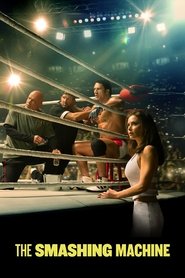
The Smashing Machine recap
The Smashing Machine (2025) follows Mark Kerr, an early MMA and UFC champion, through the painkiller addiction and stormy relationship that shaped his career. Benny Safdie writes and directs the mixed martial arts drama, released by A24 and shot largely on 16mm film. Mark Kerr (Dwayne Johnson) is interviewed in 1997 about his success in the UFC, then seen in 1999 fighting for big purses in Japan with his friend Mark Coleman (Ryan Bader) in his corner. At home he lives with his girlfriend Dawn Staples (Emily Blunt), and their fights grow worse as his drug use does. After a crushing loss he sobs in the locker room, then overdoses at home. He goes into rehab, which strains things with Dawn until she leaves, and trains with Bas Rutten (as himself), getting into peak shape and winning his next fight. He takes Dawn back and leaves camp, but breaks up with her over her partying, and she attempts suicide. The Smashing Machine comes last in this list, after F1.
How The Smashing Machine ends
The Smashing Machine ends with the real Mark Kerr in 2025, shopping in Scottsdale before driving away. Distracted by Dawn, Mark loses badly in Japan at the 2000 Pride Grand Prix, which Coleman goes on to win with his encouragement. Getting stitches, Mark sits in the shower, smiling at the loss. Closing text says he and Dawn married ten days later, stayed married six years and had a son, and that he retired in 2009. The film won the Silver Lion at Venice.
Common questions
What is the Sports story so far?
Sports Movies collects 35 films released between 1976 and 2025, running in release order from Rocky to The Smashing Machine. They cover boxing, baseball, basketball, American football, hockey, track, tennis, figure skating, motor racing and mixed martial arts, and more than half are based on real athletes, teams or deals. Most turn on an underdog, the coach or family behind them, and the cost of chasing one win.
Where did Sports leave off?
The Smashing Machine (2025) is the latest. The Smashing Machine ends with the real Mark Kerr in 2025, shopping in Scottsdale before driving away. Distracted by Dawn, Mark loses badly in Japan at the 2000 Pride Grand Prix, which Coleman goes on to win with his encouragement. Getting stitches, Mark sits in the shower, smiling at the loss. Closing text says he and Dawn married ten days later, stayed married six years and had a son, and that he retired in 2009. The film won the Silver Lion at Venice.
Keep reading
 Watch order guideHow to watch the Sports movies in order35 titles · 73 hours
 Skip guideWhat can you skip in Game of Thrones?2 titles you can skip
 RecapChainsaw Man recap: the story so far2 titles recapped
 Watch order guideHow to watch the One Piece movies in order8 titles · 498 hours
 Skip guideWhich Star Wars movies can you skip?5 titles you can skip
 Watch order guideHow to watch the Star Trek movies in order26 titles · 735 hours