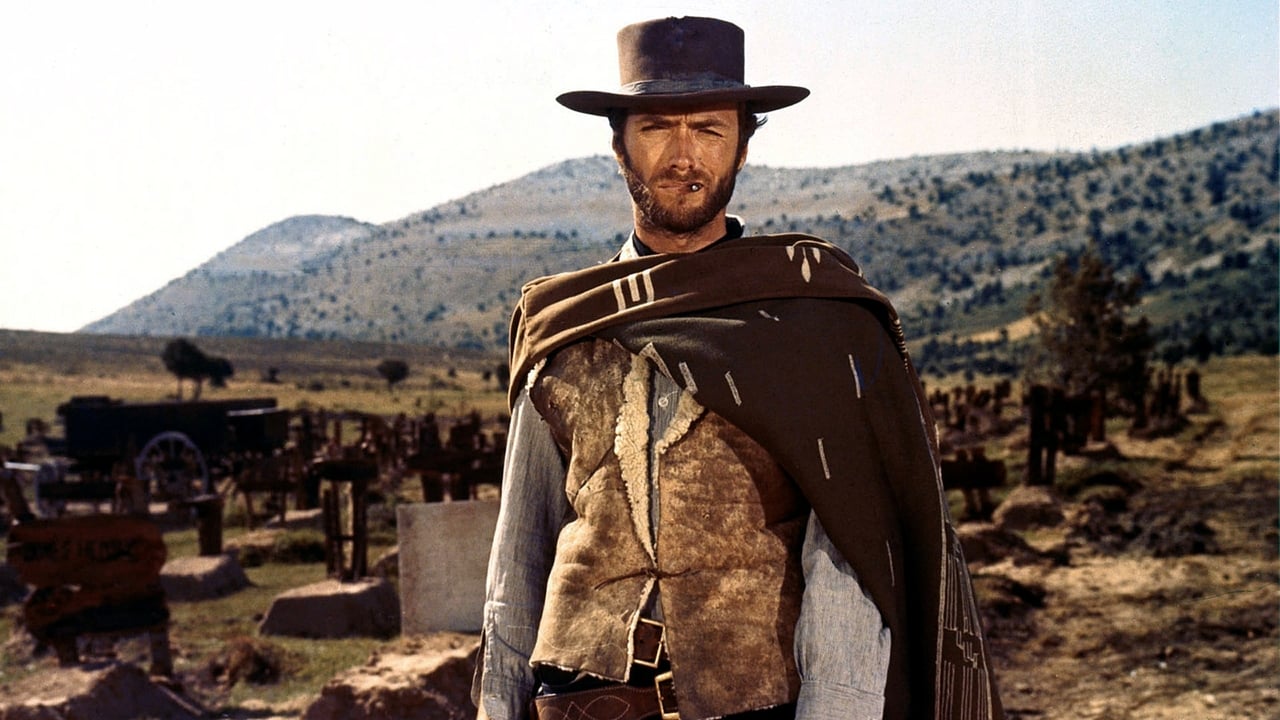
The Westerns collection runs from Stagecoach in 1939 to The Power of the Dog in 2021 across 34 titles: 32 films, the CBS miniseries Lonesome Dove (1989) and the HBO series Deadwood (2004 to 2006). Read in release order, it moves from John Ford's frontier myths through Sergio Leone's Italian-made Dollars Trilogy, a three-film rail of A Fistful of Dollars, For a Few Dollars More and The Good, the Bad and the Ugly, to the revisionist films of Peckinpah, Altman and Eastwood that question the gunfighter, and the modern Westerns that keep reworking him.
- Recapped
- 34
- Watch time saved
- 107 hours
- Latest
- 2021
No. 01 · 1939 · Film
Stagecoach recap
Stagecoach (1939) puts nine strangers on a coach crossing Apache country from Tonto to Lordsburg while Geronimo is on the warpath. John Ford directs. Aboard are Dallas (Claire Trevor), a prostitute run out of town; Doc Josiah Boone (Thomas Mitchell), a drunk physician; Lucy Mallory (Louise Platt), an army officer's pregnant wife; Hatfield (John Carradine), a Southern gambler; Samuel Peacock (Donald Meek), a whiskey salesman; and Henry Gatewood (Berton Churchill), a banker carrying stolen money. Buck (Andy Devine) drives, with Marshal Curley Wilcox (George Bancroft) riding shotgun. On the road they pick up the Ringo Kid (John Wayne), an escaped convict heading to Lordsburg to settle with Luke Plummer, who killed his father and brother. At the Apache Wells station Doc sobers up to deliver Lucy's baby with Dallas's help, and Ringo asks Dallas to share his ranch across the border. The burned-out ferry at Lee's Ferry warns that the Apaches are close. The collection opens here, with the film that made Wayne a star.
How Stagecoach ends
Stagecoach ends with Ringo killing the Plummers in Lordsburg and Curley letting him ride off to Mexico with Dallas. First the Apaches chase the coach across a salt flat; Hatfield dies, and the cavalry arrives as the ammunition runs out. In town Gatewood is arrested, and Ringo walks out to face the three Plummer brothers. Instead of returning him to prison, Curley and Doc set the horses running, and Doc remarks that the couple are saved from the blessings of civilization. The film draws on Ernest Haycox's story "The Stage to Lordsburg" and was remade in 1966 and for television in 1986.
Post-credits scenes
No. There is no post-credits scene.
No. 02 · 1946 · Film
My Darling Clementine recap
My Darling Clementine (1946) is John Ford's account of Wyatt Earp taking the marshal's job in Tombstone after his youngest brother is murdered. Wyatt (Henry Fonda) and his brothers Morgan, Virgil and James are driving cattle to California. While the older three visit town, the herd is rustled and James is killed, and Wyatt suspects Old Man Clanton (Walter Brennan) and his sons. He pins on the badge to find the killers. He forms an uneasy friendship with Doc Holliday (Victor Mature), a tubercular gambler who runs the town, and whose lover, the saloon singer Chihuahua (Linda Darnell), resents the Earps. Clementine Carter (Cathy Downs), Doc's sweetheart from Boston, arrives looking for him, and Wyatt is quietly taken with her. When Chihuahua is seen wearing James's stolen silver pendant, she names Billy Clanton as the giver, and Billy shoots her as he runs. Virgil chases Billy to the Clanton ranch and is killed. The film stands alone; Tombstone, later in this collection, retells the same feud.
How My Darling Clementine ends
My Darling Clementine ends with the gunfight at the O.K. Corral at dawn, where the Clantons die along with Doc Holliday. Doc first fails to save Chihuahua in surgery. At the corral Wyatt spares Old Man Clanton, who is shot by Morgan when he draws. Wyatt and Morgan ride off to tell their father, and Wyatt says goodbye to Clementine, who stays on as the town's schoolteacher. The real Holliday survived the fight and died of tuberculosis in Colorado in 1887, and the elder Clanton was dead before it took place.
Post-credits scenes
No. There is no post-credits scene.
No. 03 · 1948 · Film
Red River recap
Red River (1948) follows Thomas Dunson, a Texas rancher who drives his herd north after the Civil War and turns on the young man he raised. Howard Hawks directs. In 1851 Dunson (John Wayne) leaves a wagon train to start a ranch, and the woman he loves is killed in a raid behind him. He takes in Matthew Garth, a boy who survived another attack, and with his trail partner Nadine Groot (Walter Brennan) claims land south of the Red River. Fourteen years later the war has left Texas without buyers, so Dunson starts a drive of about ten thousand head to Sedalia, Missouri, with the grown Matt (Montgomery Clift) and a hired gun, Cherry Valance (John Ireland). Short on food and sleep, Dunson grows tyrannical, shooting men who quit and threatening to hang others. Matt takes the herd from him, leaves him on the trail and heads for Abilene, Kansas, on a newer route. Dunson swears to kill him. The film stands alone.
How Red River ends
Red River ends with Dunson catching Matt in Abilene and the two fighting until Tess Millay (Joanne Dru) stops them. Matt has sold the herd at a good price and met Tess on the way. Dunson walks through the cattle, shoots Cherry and draws on Matt, who refuses to fire. Their fistfight ends when Tess fires a gun and tells them they love each other. Dunson agrees to add an M to the ranch's brand. In Borden Chase's source story Dunson dies; the film keeps him alive.
Post-credits scenes
No. There is no post-credits scene.
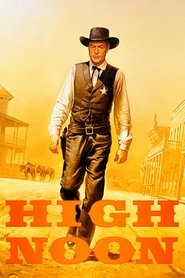
No. 04 · 1952 · Film
High Noon recap
High Noon (1952) unfolds in close to real time as Marshal Will Kane waits for an outlaw arriving on the noon train to kill him. Fred Zinnemann directs. In the town of Hadleyville, Kane (Gary Cooper) has just married Amy Fowler (Grace Kelly), a Quaker, and turned in his badge. Word comes that Frank Miller (Ian MacDonald), a killer Kane sent to prison, has been pardoned, and Miller's brother Ben and two gang members are waiting at the station. Kane goes back to town to raise a posse. His deputy Harvey Pell (Lloyd Bridges) quits when Kane will not back him for the marshal's job. Former friends hide, a church congregation argues itself out of helping, and Helen Ramírez (Katy Jurado), who once loved Kane and later Miller, sells her business and leaves. Amy says she will be on the noon train without him. Clocks fill the frame as Kane writes his will and walks out alone. The film stands alone, followed only by a 1980 television sequel.
How High Noon ends
High Noon ends with Kane killing the gang, throwing his badge in the dirt and leaving with Amy. Kane shoots Ben Miller and a second man in the street. Amy, already on the train, hears the shots, comes back and shoots the third gunman in the back. Miller grabs her as a shield; she claws his face and Kane kills him. As the townspeople gather, Kane drops the star at their feet and rides out. The story comes from John W. Cunningham's "The Tin Star", and Rio Bravo was made partly in answer to it.
Post-credits scenes
No. There is no post-credits scene.
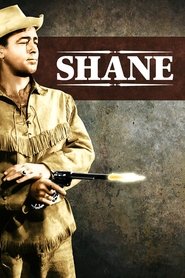
No. 05 · 1953 · Film
Shane recap
Shane (1953) brings a former gunfighter to a Wyoming valley where homesteaders are being driven off by a cattle baron. George Stevens directs. Shane (Alan Ladd) rides onto the farm of Joe Starrett (Van Heflin), his wife Marian (Jean Arthur) and their son Joey (Brandon deWilde), who idolizes him. He hires on as a farmhand and puts away his gun. Rufus Ryker (Emile Meyer), who grazed the open range before the settlers came, wants them gone. Shane takes insults in Grafton's saloon, then wins a brawl with Ryker's men with Joe's help. Ryker hires Jack Wilson (Jack Palance), a gunslinger in black, who goads the hot-tempered farmer Frank "Stonewall" Torrey into drawing and kills him in the mud. Shaken families begin to leave. Ryker invites Joe to town to talk terms, a trap, and Shane knocks Joe out cold to go in his place. Marian and Shane share a quiet bond neither acts on. The film stands alone; Clint Eastwood's Pale Rider later borrows its outline.
How Shane ends
Shane ends with Shane killing Wilson and the Rykers in the saloon, then riding away wounded as Joey calls for him to come back. Joey has followed him to town and shouts a warning about a man on the balcony. Shane tells the boy there is no living with a killing and that he must go. He rides off toward the mountains while Joey cries "Shane! Come back!" The film follows Jack Schaefer's 1949 novel, and a short-lived 1966 TV series took the name.
Post-credits scenes
No. There is no post-credits scene.
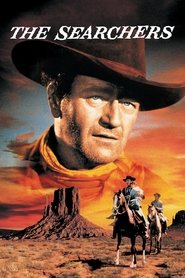
No. 06 · 1956 · Film
The Searchers recap
The Searchers (1956) follows Ethan Edwards, a Confederate veteran who spends years tracking the Comanche band that took his niece. John Ford directs. In 1868 Ethan (John Wayne) returns to his brother Aaron's Texas ranch, where he is drawn to Aaron's wife Martha. A Comanche raid led by Chief Scar (Henry Brandon) kills Aaron, Martha and their son and carries off the girls, Lucy and Debbie. Ethan rides out with Martin Pawley (Jeffrey Hunter), an adopted son of the family who is part Cherokee, and whom Ethan treats with open contempt. Lucy is found dead. The search lasts five years and crosses the plains in all seasons, while Martin's sweetheart Laurie Jorgensen (Vera Miles) waits. When they finally find Debbie (Natalie Wood), now grown and one of Scar's wives, she tells them to leave, and Ethan tries to shoot her; Martin shields her. Ethan's hatred becomes the real subject. The film stands alone.
How The Searchers ends
The Searchers ends with Ethan sweeping Debbie up and taking her home rather than killing her. Texas Rangers raid Scar's camp; Martin kills Scar and Ethan scalps him. Ethan chases Debbie down, lifts her up and says "Let's go home, Debbie." At the Jorgensen ranch everyone goes inside, and Ethan stays on the porch before turning away as the door closes on him. Alan Le May's 1954 novel names the uncle Amos, and he does not survive it.
Post-credits scenes
No. There is no post-credits scene.
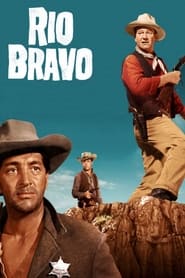
No. 07 · 1959 · Film
Rio Bravo recap
Rio Bravo (1959) has Sheriff John T. Chance holding a rich man's killer brother in jail while the family's hired guns close in on the town. Howard Hawks directs. Joe Burdette (Claude Akins) shoots an unarmed man in a saloon, and Chance (John Wayne) locks him up to wait for the U.S. marshal. Joe's brother Nathan (John Russell), a rancher, seals off the town. Chance's help is Dude (Dean Martin), a deputy who has been a drunk since a woman left him, and Stumpy (Walter Brennan), an old man with a bad leg who guards the cell. Chance's friend Pat Wheeler (Ward Bond) is shot for offering help, and his young gunhand Colorado Ryan (Ricky Nelson) joins after Feathers (Angie Dickinson), a gambler staying at the hotel, is threatened. Burdette's men have a band play "El Degüello", the no-quarter tune, again and again. Dude shakes off the bottle while Chance and Feathers spar romantically. Hawks reworked the story twice more, as El Dorado (1966) and Rio Lobo (1970).
How Rio Bravo ends
Rio Bravo ends with a prisoner swap that turns into a gunfight at Burdette's warehouse. Burdette's men capture Dude and offer him for Joe. During the exchange Dude tackles Joe, and Chance's side pins the gang in the warehouse; Stumpy throws dynamite that Chance sets off with rifle shots, and Nathan Burdette surrenders. Both brothers go to jail. Dude is back to his old self, and Chance finally tells Feathers he wants her to stay. Hawks made the film partly as an answer to High Noon.
Post-credits scenes
No. There is no post-credits scene.
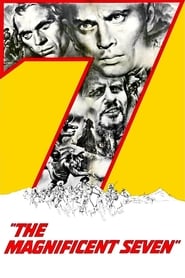
No. 08 · 1960 · Film
The Magnificent Seven recap
The Magnificent Seven (1960) sends seven hired gunmen to defend a Mexican farming village from bandits, remaking Akira Kurosawa's Seven Samurai. John Sturges directs. Raided every harvest by Calvera (Eli Wallach) and his forty men, three villagers cross the border to buy guns and end up hiring Chris Adams (Yul Brynner), a gunman in black. He recruits Vin Tanner (Steve McQueen), Bernardo O'Reilly (Charles Bronson), Britt (James Coburn), a knife expert; Lee (Robert Vaughn), a gunman who has lost his nerve; Harry Luck (Brad Dexter), who believes there is gold in it; and Chico (Horst Buchholz), a young hothead. They train the farmers, drive Calvera off in a first fight, and the children adopt O'Reilly. When the gunmen ride out to raid the bandits' camp, some frightened villagers let Calvera back in, and he captures the seven and sends them away unarmed. Elmer Bernstein's score supplies the theme. Three sequels followed, beginning with Return of the Seven (1966).
How The Magnificent Seven ends
The Magnificent Seven ends with the gunmen returning, killing Calvera and losing four of their number. Harry, Lee, Britt and O'Reilly die in the final battle. Chico stays behind with Petra, a village woman he loves. Chris and Vin ride away, and Chris says that only the farmers won, while gunmen like them always lose. Besides the sequels, the story returned as a TV series (1998 to 2000) and a 2016 remake.
Post-credits scenes
No. There is no post-credits scene.
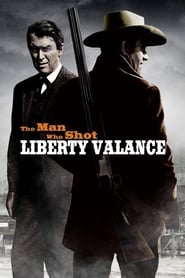
No. 09 · 1962 · Film
The Man Who Shot Liberty Valance recap
The Man Who Shot Liberty Valance (1962) follows Senator Ransom Stoddard, who returns to Shinbone for a poor rancher's funeral and explains why. John Ford directs. Questioned by the local newspaper, Stoddard (James Stewart) tells the story in flashback. Years earlier, as a young lawyer heading west, he was robbed and whipped by the outlaw Liberty Valance (Lee Marvin). Nursed in Shinbone by the waitress Hallie (Vera Miles), he washes dishes, teaches reading and argues for law while the rancher Tom Doniphon (John Wayne), who means to marry Hallie, tells him only a gun works against Valance. Tom's ranch hand Pompey (Woody Strode) is always at his side. Cattle barons who hire Valance oppose statehood, and when the town elects Stoddard and the editor Dutton Peabody (Edmond O'Brien) as delegates, Valance beats Peabody nearly to death. Stoddard, who can barely shoot, goes out to face him, and Valance falls dead. The film stands alone, adapted from Dorothy M. Johnson's short story.
How The Man Who Shot Liberty Valance ends
The Man Who Shot Liberty Valance ends with the truth that Tom shot Valance from an alley, and the editor choosing not to print it. Tom tells Stoddard so when Stoddard balks at a nomination built on a killing; Tom, having lost Hallie, burns the room he was building for her. Stoddard rides the fame to the Senate. Back in the present, the editor tears up his notes: when the legend becomes fact, print the legend. On the train home, a conductor tells Stoddard nothing is too good for the man who shot Liberty Valance.
Post-credits scenes
No. There is no post-credits scene.
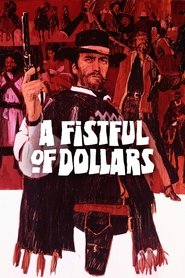
No. 10 · 1964 · Film
A Fistful of Dollars recap
A nameless drifter, called Joe by the undertaker, rides into the Mexican border town of San Miguel, which is split between two smuggling families, the Rojos and the Baxters. After shooting four Baxter men who mocked him, he hires on with the Rojos, then sells information to both sides. When Ramon Rojo massacres a troop of Mexican soldiers to steal their gold, the stranger props two of the dead in a cemetery so each gang believes the other has a witness, and the families fight it out. He then frees Marisol, a woman Ramon keeps as a prisoner, and sends her away with her husband and son. The Rojos catch him, beat him badly, and burn out the Baxters while he crawls away to hide in a mine, nursing his hands. This is the first of Sergio Leone's Dollars Trilogy, three films with Clint Eastwood as a laconic gunman in a poncho, scored by Ennio Morricone.
How A Fistful of Dollars ends
The stranger returns and kills Ramon and the rest of the Rojos. When the Rojos string up the innkeeper Silvanito, the stranger walks out through dynamite smoke. Ramon, who boasts that a rifle shot to the heart always kills, keeps hitting him in the chest, and he keeps standing up: he is wearing a steel plate under his poncho. He shoots the rifle out of Ramon's hand and challenges him to reload faster than he can, then kills him. Silvanito shoots the last Rojo, and the stranger rides out of town.
Post-credits scenes
No. There is no post-credits scene.
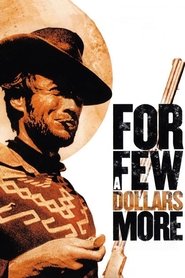
No. 11 · 1965 · Film
For a Few Dollars More recap
Two bounty hunters work the same territory: Monco, a young drifter, and Colonel Douglas Mortimer, an older former officer with a collection of long-range guns. Both are after El Indio, a murderous bandit freed from prison by his gang, who carries a musical pocket watch and is haunted by a woman he assaulted years ago. Indio plans to rob the bank of El Paso, which hides its money in a disguised safe. After sizing each other up with a hat-shooting contest, the two hunters agree to split the reward. Monco joins Indio's gang from the inside, but the robbery goes ahead and the gang escapes to Agua Caliente with the safe. Mortimer talks his way into the gang too; when the two hunters are caught trying to steal the money, Indio has them beaten and then lets them escape, planning to set his men against them. It is the middle chapter of Leone's Dollars Trilogy, with Eastwood again as the unnamed gunman.
How For a Few Dollars More ends
Mortimer kills Indio in a duel, avenging his sister. Monco and Mortimer pick off the gang in Agua Caliente. Indio disarms Mortimer and starts his watch chiming for a duel, but Monco steps in with a second, matching watch and gives Mortimer his gun back. When the music stops Mortimer shoots Indio. The watches reveal that the woman Indio raped, who killed herself, was Mortimer's sister. Mortimer leaves his share of the bounty to Monco, who loads the bodies onto a cart, recovers the bank money, and rides off.
Post-credits scenes
No. There is no post-credits scene.
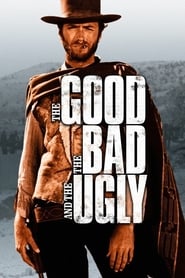
No. 12 · 1966 · Film
The Good, the Bad and the Ugly recap
During the American Civil War, three gunmen chase a cache of stolen Confederate gold. Angel Eyes, a mercenary, learns of it while carrying out killings for pay. Blondie and the bandit Tuco run a scam in which Blondie turns Tuco in for the reward and then shoots through his hanging rope; when Blondie abandons him, Tuco marches him across a desert for revenge. A dying soldier, Bill Carson, tells Tuco the gold is buried in Sad Hill Cemetery and tells Blondie the name on the grave, so the two must keep each other alive. Captured while wearing Confederate uniforms, they land in a Union prison camp run in part by Angel Eyes, who tortures Tuco and takes Blondie along to find the gold. The rivals reunite, cross a bridge battle between armies, and blow up the bridge. The last of Leone's Dollars Trilogy, it is set earlier than the other two and is often read as a prequel showing how the gunman gets his poncho.
How The Good, the Bad and the Ugly ends
Blondie wins a three-way duel and leaves Tuco with half the gold and a noose. At Sad Hill, Blondie writes the real grave's name on a stone and sets up a standoff with Tuco and Angel Eyes. Blondie shoots Angel Eyes; Tuco finds his gun was unloaded the night before. The gold lies in the unmarked grave next to Arch Stanton's. Blondie makes Tuco stand on a cross with a noose round his neck, rides away with his share, then shoots the rope from a distance, leaving Tuco to curse him over his bags of gold.
Post-credits scenes
No. There is no post-credits scene.
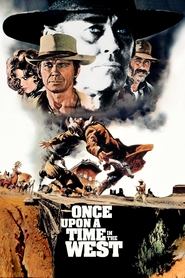
No. 13 · 1968 · Film
Once Upon a Time in the West recap
Once Upon a Time in the West (1968) follows a widow whose land holds the only water a coming railroad needs, and the strangers who fight over it. Sergio Leone directs. A harmonica-playing gunman (Charles Bronson), known only as Harmonica, kills three men waiting for him at a station and goes looking for Frank (Henry Fonda), a hired killer. At Sweetwater, Frank and his men gun down Brett McBain and his children, leaving clues that frame the bandit Cheyenne (Jason Robards). Jill (Claudia Cardinale), a former New Orleans prostitute McBain married in secret, arrives to find the family dead. Frank works for Morton (Gabriele Ferzetti), a railroad baron crippled by bone tuberculosis who wants the land, and McBain had foreseen that a station would have to rise there. Harmonica and Cheyenne quietly protect Jill, and Harmonica turns Cheyenne in for a bounty to outbid Frank's men at a rigged auction. It is Leone's next Western after the Dollars Trilogy, with a score by Ennio Morricone.
How Once Upon a Time in the West ends
Once Upon a Time in the West ends with Harmonica killing Frank in a duel and revealing why. As Frank dies, a flashback shows him as a younger man hanging Harmonica's brother from an arch while the boy held him up on his shoulders, with a harmonica jammed in his mouth. Morton is killed by Cheyenne's gang, but Cheyenne has been fatally shot. Harmonica rides away with his body as the railroad reaches Sweetwater, and Jill carries water out to the workers.
Post-credits scenes
No. There is no post-credits scene.
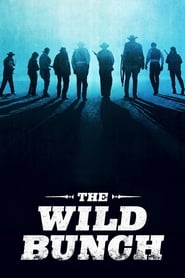
No. 14 · 1969 · Film
The Wild Bunch recap
The Wild Bunch (1969) follows aging outlaws on the Texas border in 1913 who take one last job for a Mexican general. Sam Peckinpah directs. Pike Bishop (William Holden) leads Dutch Engstrom (Ernest Borgnine), the brothers Lyle and Tector Gorch (Warren Oates and Ben Johnson), the young Mexican Angel (Jaime Sánchez) and the old Freddie Sykes (Edmond O'Brien). A railroad office robbery turns into a massacre when bounty hunters fire from the rooftops, and the loot turns out to be steel washers. The posse is led by Deke Thornton (Robert Ryan), Pike's former partner, paroled from prison to hunt him. In Mexico, General Mapache (Emilio Fernández), a brutal Federal officer, hires the gang to rob a U.S. Army train of rifles. Angel gives a crate to rebels from his village; Mapache finds out, seizes him and drags him through the town of Agua Verde behind a car. The film stands alone.
How The Wild Bunch ends
The Wild Bunch ends with Pike, Dutch and the Gorches walking into Mapache's camp to take Angel back and dying in a massacre. When Mapache cuts Angel's throat, Pike shoots him, and the four use a machine gun on the soldiers until they are killed. Deke arrives afterward, lets the bounty hunters take the bodies, and stays behind. Sykes rides up with Angel's villagers, who have dealt with the bounty hunters, and Deke joins them.
Post-credits scenes
No. There is no post-credits scene.
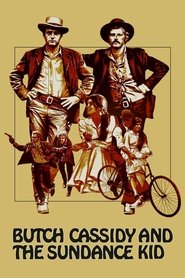
No. 15 · 1969 · Film
Butch Cassidy and the Sundance Kid recap
Butch Cassidy and the Sundance Kid (1969) follows two train robbers who run to Bolivia when a hired posse will not stop chasing them. George Roy Hill directs. Butch Cassidy (Paul Newman), a talker, and the Sundance Kid (Robert Redford), a fast gun, lead the Hole-in-the-Wall Gang. After they rob the same Union Pacific train twice, the railroad's owner E. H. Harriman pays a superposse of trackers and lawmen to hunt them. The posse follows them across rock and water, and they only escape by leaping from a cliff into a river. With the schoolteacher Etta Place (Katharine Ross), Sundance's lover, they sail from New York to Bolivia and rob banks there, learning the Spanish words for a holdup. They try going straight as payroll guards for a mine boss, Percy Garris, until bandits kill him and Butch has to shoot a man for the first time. Etta goes back to the United States. The film was followed by a prequel, Butch and Sundance: The Early Days (1979).
How Butch Cassidy and the Sundance Kid ends
Butch Cassidy and the Sundance Kid ends with the pair wounded and surrounded by Bolivian soldiers in San Vicente, charging out as the frame freezes. They are recognised after stealing a payroll and its mule, and police then a large army unit fill the square. Hiding in a building, they talk about going to Australia next. They run out shooting, and the image holds on them as gunfire continues. Burt Bacharach's "Raindrops Keep Fallin' on My Head" scores an earlier bicycle scene.
Post-credits scenes
No. There is no post-credits scene.

No. 16 · 1969 · Film
True Grit recap
True Grit (1969) follows Mattie Ross, a teenage girl who hires a one-eyed U.S. marshal to hunt down her father's killer in Indian Territory. Henry Hathaway directs. In 1880, after Tom Chaney (Jeff Corey) shoots her father in Fort Smith, Arkansas, Mattie (Kim Darby) picks the hardest marshal she can find, Reuben "Rooster" Cogburn (John Wayne), a drinker. A Texas Ranger, La Boeuf (Glen Campbell), wants Chaney for killing a senator and tries to cut her out. She crosses a river on horseback to stay with them. At a dugout cabin, Rooster interrogates two horse thieves, Quincy and Moon (Dennis Hopper), and learns that Chaney has joined Lucky Ned Pepper (Robert Duvall). An ambush there goes wrong. Fetching water one morning, Mattie meets Chaney and shoots him, and Pepper's gang takes her hostage. Rooster faces four riders alone with his reins in his teeth. Wayne won his only acting Oscar. A sequel, Rooster Cogburn (1975), followed, and the Coens adapted the novel again in 2010.
How True Grit ends
True Grit ends with Rooster saving Mattie from a snake pit and later jumping a fence to prove he is not too old. Rooster kills Chaney, and La Boeuf, who shot Pepper, dies of his injuries after helping pull them out. Mattie is bitten by a rattlesnake and breaks her arm but recovers fully, unlike the novel, where she loses the arm. Back in Yell County she offers Rooster a place in the family plot, and he leaps the fence on his horse.
Post-credits scenes
No. There is no post-credits scene.
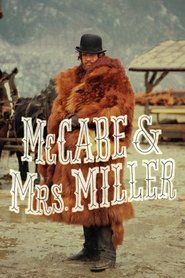
No. 17 · 1971 · Film
McCabe & Mrs. Miller recap
McCabe & Mrs. Miller (1971) follows a gambler who builds a brothel in a raw mining town in the Pacific Northwest and a madam who becomes his partner. Robert Altman directs. In 1902, John McCabe (Warren Beatty) rides into Presbyterian Church, Washington, a town named after its one tall building, rumoured to be a gunfighter who once killed a man. He buys three prostitutes and opens a tent brothel. Constance Miller (Julie Christie), a Cockney madam, arrives and talks him into a real business: she runs a proper house while he runs the gambling and the money. The town prospers and they become lovers of a sort, though she still charges him. Agents of the Harrison Shaughnessy mining company come to buy him out, and McCabe, overplaying his hand, turns down their offer. The company sends three killers instead. A lawyer in Bearpaw tells McCabe to stand firm. The film stands alone, with songs by Leonard Cohen on the soundtrack.
How McCabe & Mrs. Miller ends
McCabe & Mrs. Miller ends with McCabe dying in the snow after killing all three hired guns, while the town fights a fire and Mrs. Miller lies in an opium den. The church catches fire as the gunman Butler shoots the pastor, and the townspeople rush to put it out. McCabe kills two of the killers in ambushes, is shot, and kills Butler with a hidden derringer. No one notices him freeze to death. The film is based on Edmund Naughton's 1959 novel McCabe.
Post-credits scenes
No. There is no post-credits scene.
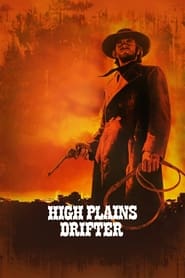
No. 18 · 1973 · Film
High Plains Drifter recap
High Plains Drifter (1973) brings a nameless stranger to the mining town of Lago, whose people hire him to defend them from outlaws they double-crossed. Clint Eastwood directs and plays the Stranger. Within an hour he kills three hired gunmen in the barbershop and assaults Callie Travers (Marianna Hill), a townswoman who insults him. Nightmares show the town's former marshal, Jim Duncan, being whipped to death by Stacey Bridges and the Carlin brothers while the citizens watched. The townsfolk had hired the outlaws to kill Duncan before he could report that the mine sat on government land, then had the killers jailed. With the gang about to be freed, the town council offers the Stranger whatever he wants. He makes the dwarf Mordecai (Billy Curtis) sheriff and mayor, hands out free goods, empties the hotel for himself, and orders every building painted red. Hotel owner Sarah Belding (Verna Bloom) tells him Duncan lies in an unmarked grave. The film stands alone.
How High Plains Drifter ends
High Plains Drifter ends with the Stranger killing the outlaws after they overrun the town he renamed Hell, then riding past a new grave marker for Jim Duncan. The townspeople's ambush fails, and the Stranger whips one Carlin to death and shoots the rest; Mordecai kills Lewis Belding as he aims at the Stranger. Mordecai says he never knew the man's name, and the Stranger answers that he does. Some foreign dubs make the Stranger Duncan's brother.
Post-credits scenes
No. There is no post-credits scene.
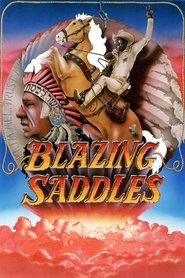
No. 19 · 1974 · Film
Blazing Saddles recap
Blazing Saddles (1974) is Mel Brooks's Western parody about a Black railroad worker made sheriff of a frontier town so the town will fall apart. Brooks directs and co-wrote with Richard Pryor among others. The scheming attorney general Hedley Lamarr (Harvey Korman) wants the land under Rock Ridge for a railroad and talks the dim Governor William J. Le Petomane (Brooks) into appointing Bart (Cleavon Little), a railroad hand saved from hanging, as sheriff. The town greets Bart with guns, but he wins allies, starting with Jim (Gene Wilder), a drunk gunslinger once called the Waco Kid. Bart handles Mongo (Alex Karras), a giant sent to wreck the town, and the seductress Lili von Shtupp (Madeline Kahn), sent to ruin him. Lamarr recruits an army of thugs and outlaws. Bart has the townspeople build a full fake Rock Ridge overnight to trap them. The film stands alone; a TV pilot, Black Bart, aired in 1975.
How Blazing Saddles ends
Blazing Saddles ends with the fight spilling out of the Old West onto a Warner Bros. studio lot, and Bart shooting Lamarr outside a cinema showing Blazing Saddles. The decoy town fools the gang long enough for the townspeople to attack. The brawl breaks through a wall into a musical number, a pie fight and Hollywood streets. Bart and Jim watch their own ending in the theater, ride off into the sunset, then climb into a limousine.
Post-credits scenes
No. There is no post-credits scene.
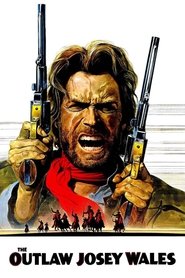
No. 20 · 1976 · Film
The Outlaw Josey Wales recap
The Outlaw Josey Wales (1976) follows a Missouri farmer who joins Confederate guerrillas after Union raiders kill his family, then flees to Texas. Clint Eastwood directs and stars as Josey. Redlegs led by Captain Terrill (Bill McKinney) burn his farm and murder his wife and son. When the war ends, Josey refuses to surrender with his band; the rest are betrayed by their leader Fletcher (John Vernon) and massacred by Union troops. Josey shoots up the camp, escapes with the wounded young Jamie, and becomes a wanted man hunted by Terrill and Fletcher. Heading south he gathers a ragged family: Lone Watie (Chief Dan George), an elderly Cherokee; Little Moonlight, a Navajo woman he saves from traders; and Grandma Sarah and her granddaughter Laura Lee (Sondra Locke), Kansas settlers he rescues from Comancheros. They settle on Sarah's Texas ranch, and Josey rides alone to make peace with the Comanche chief Ten Bears (Will Sampson). A 1986 sequel, The Return of Josey Wales, starred Michael Parks.
How The Outlaw Josey Wales ends
The Outlaw Josey Wales ends with Josey killing Terrill with his own sabre and being let go by Fletcher, who pretends not to know him. Terrill's Redlegs attack the ranch and the family fights them off. In the town of Santo Rio, the locals tell Texas Rangers that Josey Wales died in Mexico, and Fletcher goes along, saying he will look for Josey in Mexico himself. Josey says they all died a little in that war and rides off, bleeding. The film adapts Forrest Carter's novel Gone to Texas.
Post-credits scenes
No. There is no post-credits scene.
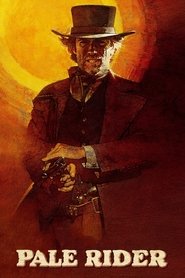
No. 21 · 1985 · Film
Pale Rider recap
Pale Rider (1985) brings a mysterious preacher to a California mining camp just as a girl prays for help against a bullying mining baron. Clint Eastwood directs and plays the man, known only as Preacher. The mining baron Coy LaHood (Richard Dysart) wants the Carbon Canyon claims worked by independent prospectors, among them Hull Barret (Michael Moriarty), who is courting the widow Sarah Wheeler (Carrie Snodgress); her teenage daughter Megan (Sydney Penny) is the one who prays. Preacher beats four of LaHood's men with an axe handle and later fells the giant Club (Richard Kiel). Hull notices six healed bullet wounds in his back. LaHood offers the miners a buyout and, when they refuse, sends for Marshal Stockburn (John Russell) and six deputies. Preacher retrieves his guns from a bank deposit box. Stockburn is alarmed by the description of the stranger, saying the man he resembles is dead. The film stands alone, though it closely echoes Shane.
How Pale Rider ends
Pale Rider ends with Preacher killing Stockburn and his deputies in town, then riding away as Megan calls out her thanks. Preacher and Hull first dynamite LaHood's hydraulic mining works. In town Preacher picks off the deputies one by one, and Stockburn recognises him before Preacher shoots him six times in the chest, leaving wounds that mirror his own, then finishes him. Hull, who walked to town, shoots LaHood as he aims at Preacher from a window.
Post-credits scenes
No. There is no post-credits scene.
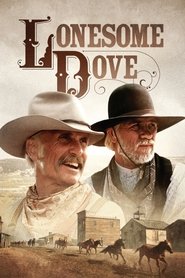
No. 22 · 1989 · Series
Lonesome Dove recap
Lonesome Dove (1989) follows two retired Texas Rangers who drive a stolen herd from the Rio Grande to Montana in the late 1870s. The CBS miniseries aired in four parts from February 5 to 8, 1989, directed by Simon Wincer and adapted by William D. Wittliff from Larry McMurtry's novel. Captain Augustus "Gus" McCrae (Robert Duvall), a talkative charmer, and Captain Woodrow F. Call (Tommy Lee Jones), a hard, silent worker, run a livery in Lonesome Dove with the tracker Joshua Deets (Danny Glover), Pea Eye Parker and the teenage Newt Dobbs, whose father only Gus knows is Call. When their old comrade Jake Spoon arrives on the run, his talk of Montana sends Call north. Gus agrees partly to visit Clara Allen (Anjelica Huston), the love he lost, now in Nebraska. Lorena Wood (Diane Lane), the town's prostitute, follows Jake and is kidnapped by the bandit Blue Duck; Gus rescues her. Sheriff July Johnson chases Jake from Arkansas. In the four parts, Leaving, On the Trail, The Plains and The Return, river crossings, storms and Jake's drift into a murderous gang wear down the outfit. Sequels and prequels followed, beginning with Return to Lonesome Dove (1993).
How Lonesome Dove ends
Lonesome Dove ends, in part four, The Return, with Call carrying Gus's body back to Texas. Gus, wounded by arrows in Montana, refuses to let a doctor take his second leg and dies, asking Call to bury him back in Texas at a grove where he once picnicked with Clara. Before leaving, Call gives Newt his horse and his watch but cannot call him son. Deets has already been killed. In Lonesome Dove a reporter asks Call about being a man of vision. The story continued in Streets of Laredo (1995), Dead Man's Walk (1996) and Comanche Moon (2008).
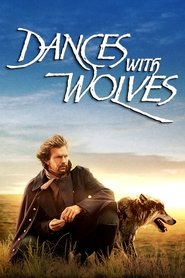
No. 23 · 1990 · Film
Dances with Wolves recap
Dances with Wolves (1990) follows a Union officer posted alone at an abandoned frontier fort who is slowly taken into a Lakota band. Kevin Costner directs and plays Lieutenant John J. Dunbar. After a suicidal ride that turns a stalled Civil War battle in 1863, Dunbar asks to see the frontier and is sent to Fort Sedgwick, an empty outpost on the Dakota plains. The officer who posts him kills himself, and the wagon driver is killed by Pawnee on the way back, so no one knows Dunbar is there. He befriends a wolf he calls Two Socks and makes slow contact with the Lakota, led in friendship by the holy man Kicking Bird (Graham Greene) and in hostility by the warrior Wind In His Hair (Rodney A. Grant). Stands With A Fist (Mary McDonnell), a white woman raised by the band, translates. Dunbar joins a buffalo hunt, helps fight off the Pawnee, takes the name Dances With Wolves and marries Stands With A Fist. The film stands alone; Michael Blake adapted his own novel.
How Dances with Wolves ends
Dances with Wolves ends with Dunbar and Stands With A Fist leaving the Lakota winter camp so the soldiers hunting him will not find the band. Returning to the fort for his journal, Dunbar was arrested as a deserter, and Two Socks was shot; the Lakota rescued him. As the couple leave, Wind In His Hair shouts that he is Dunbar's friend. A closing title says that thirteen years later the last free Sioux surrendered. In Blake's novel the tribe is Comanche.
Post-credits scenes
No. There is no post-credits scene.
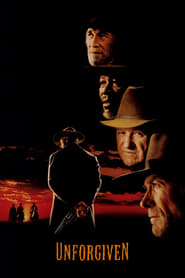
No. 24 · 1992 · Film
Unforgiven recap
Unforgiven (1992) follows William Munny, a retired killer turned struggling pig farmer, who takes one more job for a bounty offered by prostitutes. Clint Eastwood directs and plays Munny. In 1880, in Big Whiskey, Wyoming, a cowboy slashes the face of Delilah Fitzgerald (Anna Thomson), and Sheriff Little Bill Daggett (Gene Hackman) only fines him in horses. Strawberry Alice (Frances Fisher) and the other women pool $1,000 for whoever kills him and his partner. In Kansas, the widowed Munny, who quit drinking for his late wife, is recruited by the boastful young Schofield Kid (Jaimz Woolvett) and brings his old partner Ned Logan (Morgan Freeman). Little Bill has already beaten and expelled English Bob (Richard Harris), a gunman who came for the bounty, in front of a dime novelist. Feverish, Munny is beaten too. The three kill the first cowboy, and Ned, unable to fire, heads home. The film stands alone; a Japanese remake followed in 2013.
How Unforgiven ends
Unforgiven ends with Munny killing Little Bill and his deputies in the saloon after learning Ned was whipped to death and displayed outside. The Kid, shaken after killing the second cowboy in an outhouse, gives up the gun. Munny takes up whiskey again and shoots the saloon owner and Little Bill, who protests that he does not deserve to die. A closing title says Munny moved with his children to San Francisco. Eastwood dedicated the film to Sergio Leone and Don Siegel.
Post-credits scenes
No. There is no post-credits scene.

No. 25 · 1993 · Film
Tombstone recap
Tombstone (1993) follows Wyatt Earp, who arrives in the Arizona boomtown to retire and is pulled into war with the outlaw Cowboys. George P. Cosmatos directs. Wyatt (Kurt Russell) comes in 1879 with his brothers Virgil (Sam Elliott) and Morgan (Bill Paxton) and their wives, meaning to make money. His old friend Doc Holliday (Val Kilmer), a gambler dying of tuberculosis, is already there. The Cowboys, led by Curly Bill Brocius (Powers Boothe) and the educated killer Johnny Ringo (Michael Biehn), run the county. Wyatt's wife Mattie is addicted to laudanum, and he falls for Josephine Marcus (Dana Delany), an actress. When Curly Bill kills the town marshal, Virgil takes the badge, and the Earps and Doc face the Clantons and McLaurys at the O.K. Corral. In revenge, Cowboys maim Virgil and kill Morgan. Wyatt forms a posse and rides out to finish them. It stands alone, retelling the feud of My Darling Clementine, and came out months before Kevin Costner's Wyatt Earp.
How Tombstone ends
Tombstone ends with Doc dying of tuberculosis in a Colorado sanatorium and Wyatt finding Josephine to start a life together. During the vendetta ride Wyatt kills Curly Bill, and Doc meets Ringo in Wyatt's place and kills him. Doc tells Wyatt to go after Josephine, and Robert Mitchum's narration says the couple stayed together for 47 years, with the actor Tom Mix crying at Wyatt's funeral in 1929.
Post-credits scenes
No. There is no post-credits scene.

No. 26 · 2004 · Series
Deadwood recap
Deadwood (2004) follows the gold camp in the Black Hills from lawless settlement to town in 1876 and 1877. Created by David Milch, it aired on HBO from March 2004 to August 2006, 36 episodes over three seasons. Seth Bullock (Timothy Olyphant), a former Montana marshal, arrives to open a hardware store with his partner Sol Star (John Hawkes). Al Swearengen (Ian McShane) owns the Gem saloon and brothel and runs the camp through bribery and murder. Wild Bill Hickok (Keith Carradine) arrives with Calamity Jane (Robin Weigert) and Charlie Utter and is shot dead at a poker table. Alma Garret (Molly Parker), a New York widow, finds herself owner of a rich claim after Al has her husband killed. Season one ends with Bullock as sheriff. Season two brings Bullock's wife and son, a fight over annexation to Dakota Territory, and agents of the mining magnate George Hearst. Season three is the camp's struggle with Hearst himself (Gerald McRaney) amid its first elections. Deadwood: The Movie (2019) closes the story.
How Deadwood ends
Deadwood ends with the third-season finale, "Tell Him Something Pretty", in which Hearst leaves the camp having bought Alma's claim. After Trixie wounds Hearst for ordering Alma's husband Ellsworth killed, Hearst demands her death, and Al kills another prostitute, Jen, to pass her off as Trixie. Bullock walks Hearst out of town, and Al scrubs the blood from his floor. HBO cancelled the show, and the promised wrap-up came in 2019 with Deadwood: The Movie, set ten years later.
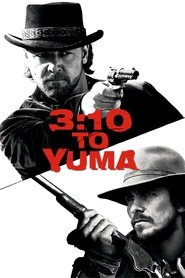
No. 27 · 2007 · Film
3:10 to Yuma recap
3:10 to Yuma (2007) follows Dan Evans, a broke Arizona rancher who agrees to escort a captured outlaw to the train that will take him to prison. James Mangold directs. Dan (Christian Bale), who lost a leg in the Civil War, is behind on his debts, and his land is wanted by the railroad. He and his sons watch Ben Wade (Russell Crowe) and his gang rob a stagecoach carrying a payroll. When Wade is caught in Bisbee, the railroad man Grayson Butterfield offers $200 for help getting him to the 3:10 train at Contention. Dan joins a party that includes the aging Pinkerton Byron McElroy (Peter Fonda). Wade, polite and dangerous, kills a guard and later McElroy, while Charlie Prince (Ben Foster), his devoted second, leads the gang after them. Dan's fourteen-year-old son William (Logan Lerman) follows the party. At Contention, the hotel is surrounded. It remakes the 1957 film of the same name, both from an Elmore Leonard story.
How 3:10 to Yuma ends
3:10 to Yuma ends with Dan getting Wade onto the prison train and being shot dead by Charlie Prince, after which Wade kills Prince and the gang. Prince offers townspeople $200 for each escort they kill, and Dan and Wade run a gauntlet to the station, Wade now helping. Wade boards and whistles for his horse, which follows the train; he has escaped Yuma before. In the 1957 version both men live.
Post-credits scenes
No. There is no post-credits scene.
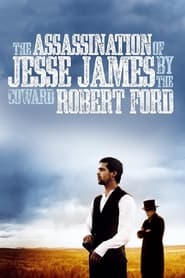
No. 28 · 2007 · Film
The Assassination of Jesse James by the Coward Robert Ford recap
In 1881, nineteen-year-old Robert Ford, who grew up reading dime novels about Jesse James, joins the gang for its last train robbery. Jesse, now living under false names in Missouri with his wife and children, is moody and suspicious, and starts killing members of his own gang he thinks may turn on him. Bob and his brother Charley stay with Jesse, but Jesse's contempt and the threats to the gang drive Bob to the other side. After Bob and Dick Liddil kill Jesse's cousin Wood Hite in a fight, Bob makes a secret deal with Missouri's governor to capture or kill Jesse for a reward and a pardon. Jesse takes Bob and Charley to his home in St. Joseph, apparently knowing what they plan. It came out the same year as 3:10 to Yuma, which is also in this list.
How The Assassination of Jesse James by the Coward Robert Ford ends
Bob Ford shoots Jesse James in the back of the head and becomes despised for it. Jesse takes off his gun belt and stands on a chair to dust a picture; Bob shoots him. The Fords restage the killing on stage hundreds of times, but the public calls Bob a coward. Charley, tormented, kills himself. Bob runs a saloon in Creede, Colorado, where Edward O'Kelley shoots him dead in 1892.
Post-credits scenes
No. There is no post-credits scene.
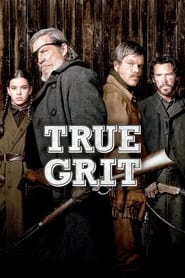
No. 29 · 2010 · Film
True Grit recap
True Grit (2010) follows fourteen-year-old Mattie Ross as she hires a hard-drinking U.S. marshal to track her father's killer into Indian Territory. Joel and Ethan Coen write and direct, staying closer to Charles Portis's novel than the 1969 film. Mattie (Hailee Steinfeld) arrives in Fort Smith, Arkansas, to settle her father's affairs after the hired man Tom Chaney (Josh Brolin) shoots him. She chooses Reuben "Rooster" Cogburn (Jeff Bridges) for his grit and haggles hard for the money. The Texas Ranger LaBoeuf (Matt Damon), chasing Chaney for an earlier killing, joins them, quarrels with Rooster and leaves. In a dugout, Rooster kills two horse thieves and learns that Chaney rides with Lucky Ned Pepper (Barry Pepper). While fetching water, Mattie finds Chaney and shoots him, but he survives and the gang takes her. Rooster charges four men alone across a meadow, and LaBoeuf, who has returned, shoots Pepper from far away. It remakes the 1969 film earlier in this collection.
How True Grit ends
True Grit ends with Mattie, now an adult who lost her arm to a snakebite, moving Rooster's body to her family plot. She kills Chaney herself, and the recoil drops her into a pit of rattlesnakes. Rooster rides her horse until it dies, then carries her to help. Twenty-five years later he invites her to a Wild West show, and she arrives three days after his death. She never married and never learned what became of LaBoeuf.
Post-credits scenes
No. There is no post-credits scene.
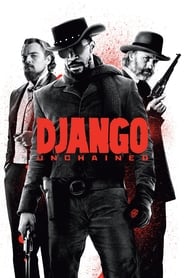
No. 30 · 2012 · Film
Django Unchained recap
Django Unchained (2012) follows a freed slave who becomes a bounty hunter to rescue his wife from a Mississippi plantation. Quentin Tarantino writes and directs. In Texas in 1858, the German dentist turned bounty hunter Dr. King Schultz (Christoph Waltz) buys Django (Jamie Foxx) to identify the Brittle brothers, overseers he is hunting. After killing them, Schultz offers Django partnership for the winter and then help finding his wife, Broomhilda von Shaft (Kerry Washington), sold apart from him. She belongs to Calvin Candie (Leonardo DiCaprio), owner of Candyland, who stages fights to the death between slaves. Schultz and Django pose as buyers of a fighter, using the deal as cover to buy Broomhilda. Stephen (Samuel L. Jackson), Candie's house slave, sees through the ruse, and Candie forces them to pay $12,000 for her at gunpoint. The film stands alone, borrowing its hero's name from Sergio Corbucci's 1966 film Django, whose star Franco Nero makes a cameo.
How Django Unchained ends
Django Unchained ends with Django blowing up Candie's mansion and riding away with Broomhilda. Schultz refuses to shake Candie's hand and shoots him, and is killed. After a shootout, Django surrenders to save Broomhilda and is sold to a mining company, whose men he tricks and kills. He returns to Candyland, kills the remaining household, shoots Stephen in the kneecaps and leaves him in the house as the dynamite goes off.
Post-credits scenes
Yes. After the credits, the mining company slaves Django left in a cage ask who he was.
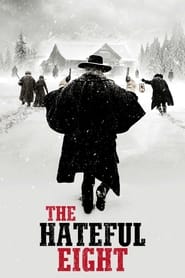
No. 31 · 2015 · Film
The Hateful Eight recap
The Hateful Eight (2015) traps a bounty hunter, his prisoner and six strangers in a stagecoach stop during a Wyoming blizzard, where some are lying. Quentin Tarantino writes and directs. John Ruth (Kurt Russell), known as the Hangman, is taking Daisy Domergue (Jennifer Jason Leigh), worth $10,000, to Red Rock to hang. On the road his coach picks up Major Marquis Warren (Samuel L. Jackson), a former Union cavalry officer turned bounty hunter who carries a letter from Abraham Lincoln, and Chris Mannix (Walton Goggins), who says he is Red Rock's new sheriff. At Minnie's Haberdashery they find Bob (Demián Bichir), who says Minnie left him in charge, the English hangman Oswaldo Mobray (Tim Roth), the cowboy Joe Gage (Michael Madsen) and the old Confederate general Sanford Smithers (Bruce Dern). Warren goads Smithers with a story about his son's death and shoots him when he draws. Someone poisons the coffee. Shot in 70mm, it carries an Oscar-winning score by Ennio Morricone. The film stands alone.
How The Hateful Eight ends
The Hateful Eight ends with Warren and Mannix, both badly wounded, hanging Daisy from a beam. Ruth and the coach driver die of the poisoned coffee, and a flashback shows that Daisy's gang killed Minnie and her staff that morning and took their places, with her brother Jody (Channing Tatum) hidden beneath the floor. Jody shoots Warren, and the gang dies. Lying on a bed, Mannix reads aloud Warren's Lincoln letter, which Warren has already admitted he forged.
Post-credits scenes
No. There is no post-credits scene.
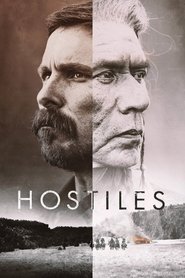
No. 32 · 2017 · Film
Hostiles recap
Hostiles (2017) follows a U.S. Army captain ordered in 1892 to escort a dying Cheyenne war chief, his old enemy, home to Montana. Scott Cooper writes and directs. In New Mexico Territory, Comanche raiders kill the husband and three children of the settler Rosalee Quaid (Rosamund Pike). At Fort Berringer, Captain Joseph Blocker (Christian Bale), near retirement, is told on presidential orders to take Chief Yellow Hawk (Wes Studi) and his family north, and accepts only under threat of court-martial. With him ride his friend First Sergeant Thomas Metz (Rory Cochrane), Corporal Woodson (Jonathan Majors), the young Lieutenant Kidder (Jesse Plemons) and a private. They find Rosalee among her dead and take her along. Comanche attacks, fur traders who abduct the women, and a prisoner, Sergeant Philip Wills (Ben Foster), ordered to hang for murdering a Native family, test the party. Blocker unshackles Yellow Hawk, and the two men slowly make peace. The film stands alone.
How Hostiles ends
Hostiles ends with Blocker boarding the Chicago train at the last moment with Rosalee and Yellow Hawk's orphaned grandson. Yellow Hawk dies as they reach Montana, and a rancher claiming the land orders them off; in the shootout the chief's son, daughter and daughter-in-law are killed. Earlier Metz killed the escaped Wills and then himself. Rosalee decides to raise the boy, Little Bear, and Blocker steps onto the departing train.
Post-credits scenes
No. There is no post-credits scene.
No. 33 · 2018 · Film
The Ballad of Buster Scruggs recap
The Ballad of Buster Scruggs (2018) collects six Coen brothers stories of the American frontier, from a singing gunfighter to a stagecoach full of strangers. Joel and Ethan Coen write and direct, and Netflix released it after a short cinema run. In the title tale, Buster Scruggs (Tim Blake Nelson), a cheerful cowboy in white, sings and shoots his way through saloons until a faster young man arrives. In "Near Algodones" a bank robber (James Franco) keeps escaping the noose. "Meal Ticket" follows an impresario (Liam Neeson) touring a limbless orator, Harrison (Harry Melling), through ever smaller towns. In "All Gold Canyon" a prospector (Tom Waits) digs out a gold pocket in a quiet valley. "The Gal Who Got Rattled" sends Alice Longabaugh (Zoe Kazan) west on a wagon train to Oregon after her brother dies, where the guide Billy Knapp (Bill Heck) proposes. "The Mortal Remains" puts five passengers, two of them bounty hunters (Brendan Gleeson and Jonjo O'Neill), on a coach at dusk. The film stands alone.
How The Ballad of Buster Scruggs ends
The Ballad of Buster Scruggs ends with "The Mortal Remains", in which the coach reaches a hotel at night and the uneasy passengers follow the two bounty hunters, carrying a body, inside. The bounty hunters talk about watching people pass over, and the door closes. Earlier tales end in death too: Buster rises to heaven singing, the impresario trades Harrison for a counting chicken, and Alice shoots herself during a Comanche attack moments before Mr. Arthur drives the raiders off.
Post-credits scenes
No. There is no post-credits scene.
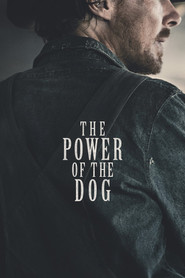
No. 34 · 2021 · Film
The Power of the Dog recap
The Power of the Dog (2021) follows Phil Burbank, a cruel Montana rancher, who torments his brother's new wife and her son in 1925. Jane Campion writes and directs, adapting Thomas Savage's 1967 novel. Phil (Benedict Cumberbatch) and his gentle brother George (Jesse Plemons) run a prosperous ranch together. On a cattle drive Phil mocks Peter Gordon (Kodi Smit-McPhee), the slight son of the widowed innkeeper Rose (Kirsten Dunst), for making paper flowers. George quietly marries Rose and brings her home, where Phil's contempt drives her to drink. Phil hides a reverence for his dead mentor, Bronco Henry, and secret signs of desire for men. Home from medical school for the summer, Peter finds those secrets, and Phil takes him under his wing, teaching him to ride and braiding him a rawhide rope. Peter quietly cuts hides from a cow that died of anthrax, handling them with gloves. When Rose gives Phil's hides away, Peter offers his own. Netflix released it, and Campion won the Oscar for Best Director. The film stands alone.
How The Power of the Dog ends
The Power of the Dog ends with Phil dead of anthrax and Peter hiding the finished rope under his bed with gloves. Phil worked the infected hide into the rope with an open cut on his hand. At the funeral, the doctor names the cause. Peter reads the psalm verse that gives the film its title, then watches George and Rose come home and smiles.
Post-credits scenes
No. There is no post-credits scene.
Common questions
What is the Western story so far?
The Westerns collection runs from Stagecoach in 1939 to The Power of the Dog in 2021 across 34 titles: 32 films, the CBS miniseries Lonesome Dove (1989) and the HBO series Deadwood (2004 to 2006). Read in release order, it moves from John Ford's frontier myths through Sergio Leone's Italian-made Dollars Trilogy, a three-film rail of A Fistful of Dollars, For a Few Dollars More and The Good, the Bad and the Ugly, to the revisionist films of Peckinpah, Altman and Eastwood that question the gunfighter, and the modern Westerns that keep reworking him.
Where did Western leave off?
The Power of the Dog (2021) is the latest. The Power of the Dog ends with Phil dead of anthrax and Peter hiding the finished rope under his bed with gloves. Phil worked the infected hide into the rope with an open cut on his hand. At the funeral, the doctor names the cause. Peter reads the psalm verse that gives the film its title, then watches George and Rose come home and smiles.
Keep reading
 Watch order guideHow to watch the Western movies in order34 titles · 107 hours
 Skip guideWhat can you skip in Game of Thrones?2 titles you can skip
 RecapChainsaw Man recap: the story so far2 titles recapped
 Watch order guideHow to watch the One Piece movies in order8 titles · 498 hours
 Skip guideWhich Star Wars movies can you skip?5 titles you can skip
 Watch order guideHow to watch the Star Trek movies in order26 titles · 735 hours